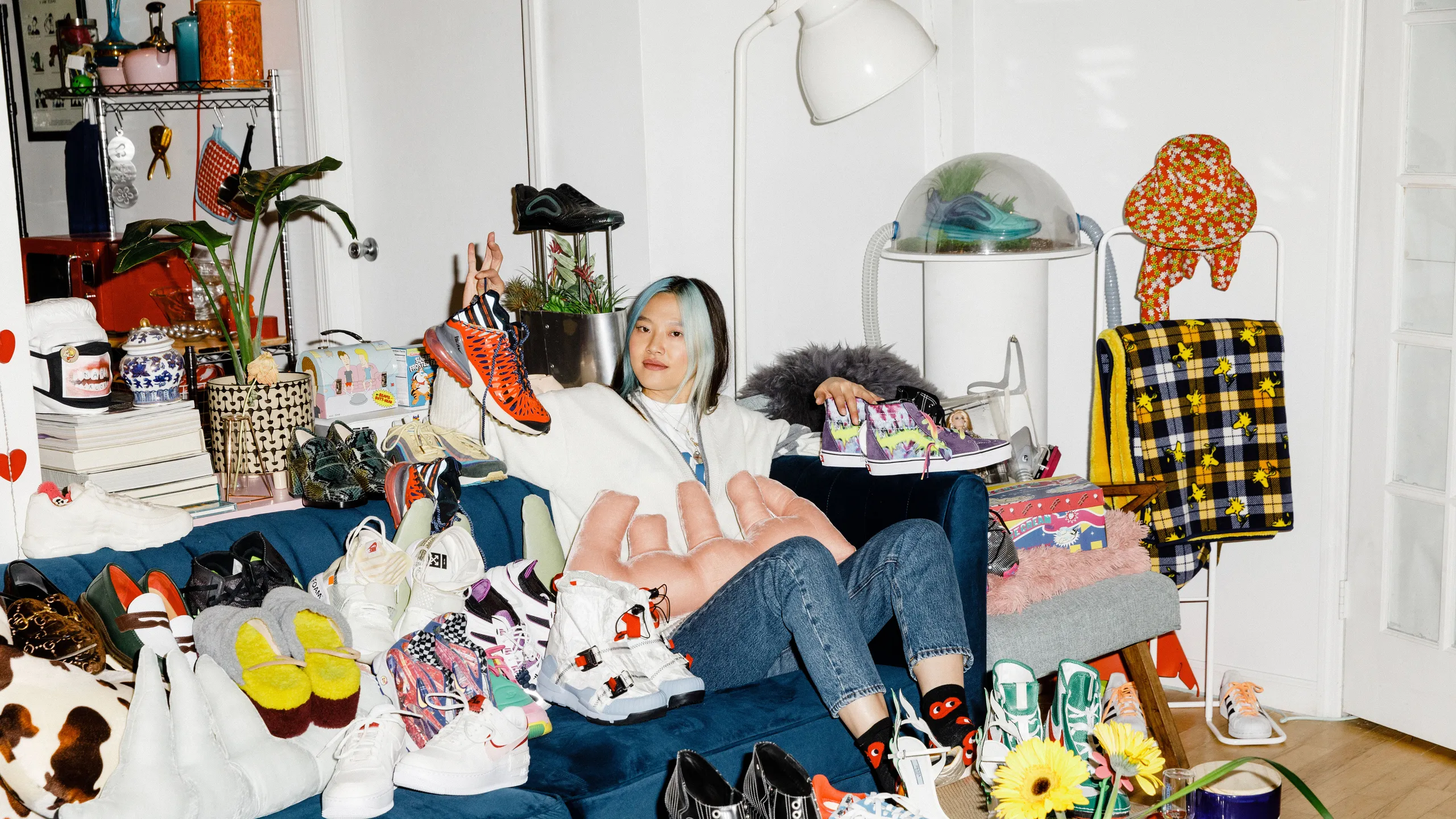
In the meticulously curated world of social media, where minimalist spaces and clean lines have long been synonymous with sophistication and control, a defiantly chaotic counter-movement has risen to dizzying heights. This is Cluttercore: a maximalist aesthetic that celebrates visual saturation, personal nostalgia, and organized chaos. Unlike the “less is more” doctrine, Cluttercore proclaims “more is more,” transforming living spaces, digital feeds, and personal styles into vibrant tapestries of collected objects, layered patterns, and deeply personal memorabilia. This trend, flourishing primarily on platforms like TikTok, Instagram, and Pinterest, is more than just a design choice; it is a profound statement on self-expression, mental health, and a rejection of sterile perfection in the digital age. For content creators and website owners, understanding Cluttercore’s nuances offers significant opportunities for engaging, highly shareable content that resonates with a generation seeking authenticity and visual richness, thereby driving substantial traffic and enhancing Google AdSense potential through targeted, trend-savvy SEO.
A. The Philosophical Foundations and Origins of Cluttercore
Cluttercore did not emerge in a vacuum. It is a direct reaction to the dominance of minimalist aesthetics that have permeated design philosophy for over a decade. Movements like Marie Kondo’s KonMari method, Scandinavian minimalism, and the sleek, empty backgrounds of influencer culture promoted an ideal of clutter-free living as the ultimate path to peace and productivity. While beneficial for some, this ideal began to feel oppressive and impersonal to others. Cluttercore arose as a rebellion, asserting that joy, comfort, and identity could be found in abundance rather than scarcity.
The aesthetic draws deep inspiration from earlier maximalist movements, Victorian-era “cabinet of curiosities,” and the cozy, object-filled worlds depicted in studio Ghibli films like Kiki’s Delivery Service or Howl’s Moving Castle. It also finds roots in the “Grandmillennial” style, which embraces traditional, patterned, and sentimental decor. Psychologically, Cluttercore taps into the concept of “self-complexity,” where one’s identity is expressed and supported through a diverse array of belongings and interests displayed in one’s environment. It validates the notion that our spaces can be active, stimulating reflections of our inner minds, rather than blank slates meant for public approval.
B. Defining Characteristics: The Core Elements of Cluttercore
To the untrained eye, Cluttercore may simply look messy. However, a closer examination reveals intentionality and key principles that distinguish it from mere disorganization.
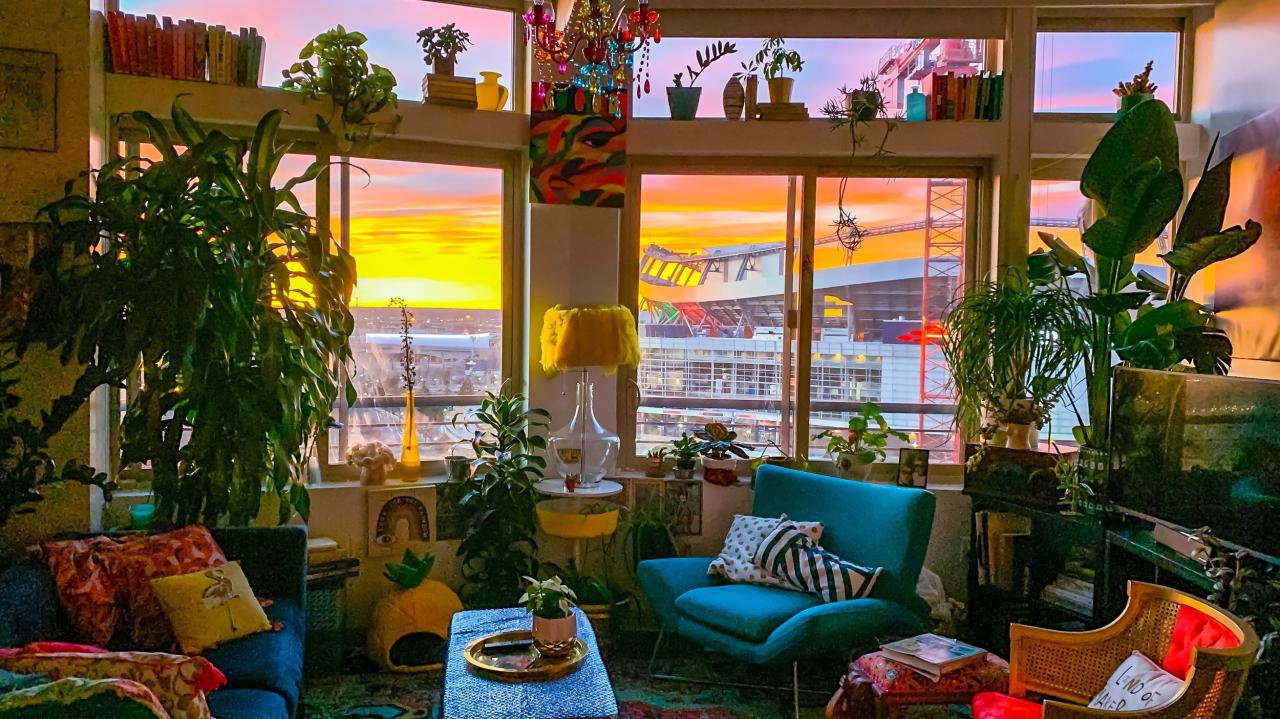
A. Layering and Saturation: Every surface is an opportunity. Walls are covered with a gallery of eclectic art, posters, shelves, and tapestries. Tables hold stacks of books, trinket dishes, candles, and plants. Floors are adorned with overlapping rugs. The goal is a visually dense field where the eye constantly discovers new details.
B. Narrative and Nostalgia: Every object tells a story. Cluttercore spaces are filled with personal relics: childhood toys, vintage finds, ticket stubs, collected rocks, gifted knick-knacks, and handmade items. The aesthetic values sentimental attachment over monetary worth, creating a space that is a living autobiography.
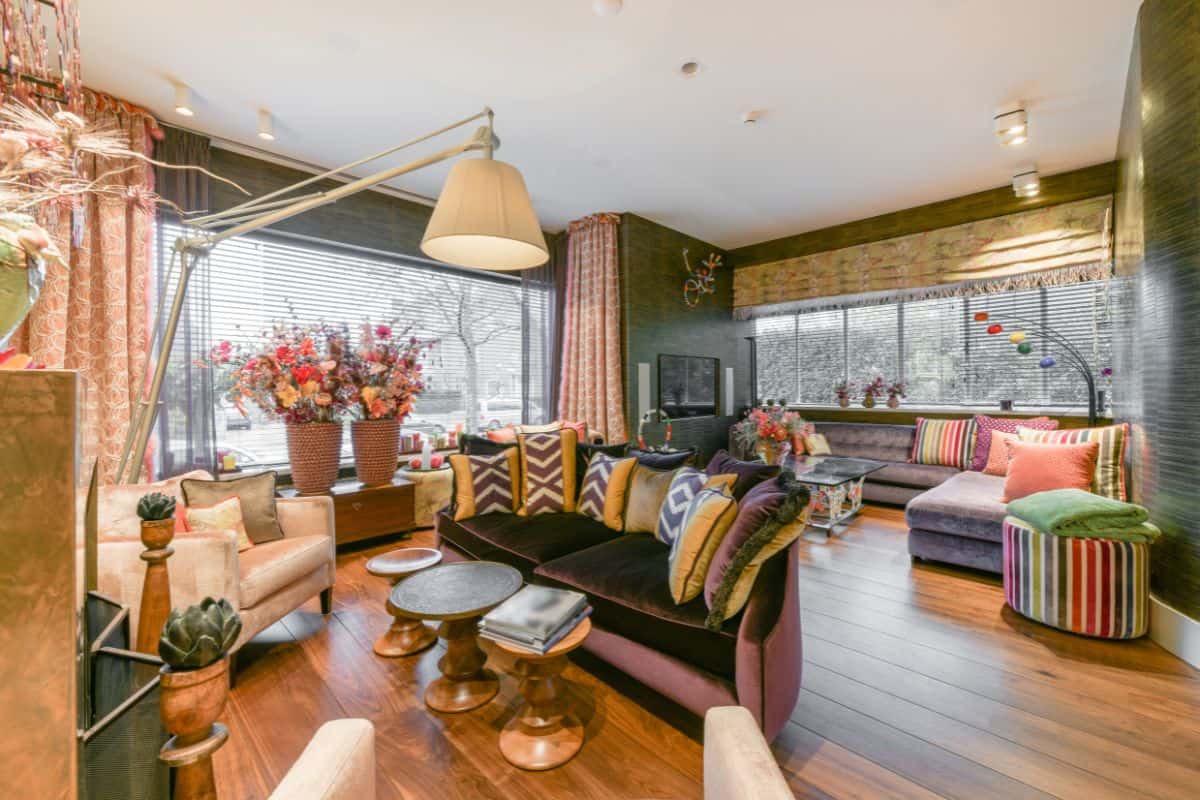
C. Maximalist Color and Pattern: Bold, clashing patterns are not just accepted but encouraged. Florals, stripes, polka dots, and paisley might coexist on curtains, upholstery, and bedding. Color palettes are often rich and varied, though some versions may lean into specific themes like “dark academia” clutter or “cottagecore” clutter.
D. Organized Chaos: This is the most critical distinction. True Cluttercore involves deliberate curation and organized chaos. Items are grouped by color, theme, or type. While full, spaces remain functional and navigable. It is controlled exuberance, not hoarding.
E. Natural Elements: An abundance of houseplants is a near-universal feature. Dried flowers, shells, feathers, and wood elements are woven into the clutter, bringing organic texture and a sense of life and growth into the space.
F. DIY and Handmade Integration: Imperfect, handmade crafts, crochet projects, painted pottery, and upcycled furniture are celebrated. This emphasizes personality and rejects the uniformity of mass-produced, minimalist decor.
C. The Digital Ecosystem: How Social Media Fuels Cluttercore
Social media platforms are the primary engine for Cluttercore’s dissemination and evolution. On TikTok, hashtags like #cluttercore, #maximalist, and #organizedchaos have garnered billions of views. The format is ideal: short videos can pan across dense bookshelves, zoom in on curated collections, or offer “room tours” that are satisfyingly detailed. Instagram provides a platform for highly stylized photo grids that showcase the aesthetic’s photographic appeal, while Pinterest serves as a massive digital mood board for gathering inspiration.
This digital lifecycle is key to its virality. A user posts a “shelfie” of their curated book and trinket collection; others are inspired to recreate the feeling, adapting it to their own possessions. Challenges and tags, like “show me your collections,” foster community engagement. For SEO and content creators, this presents a goldmine. Long-form video content (“Ultimate Cluttercore Room Makeover”), listicles (“50 Must-Have Items for a Cluttercore Aesthetic”), and think-pieces on its psychological impact are highly searchable and shareable, keeping users on-page and driving ad revenue.
D. The Psychological Appeal: Why Cluttercore Resonates Deeply
The explosive popularity of Cluttercore is underpinned by powerful psychological drivers, particularly relevant in a post-pandemic world and for younger generations like Gen Z and Millennials.
A. Authenticity and Anti-Perfectionism: In contrast to the often unattainable, airbrushed perfection of minimalist influencer spaces, Cluttercore feels accessible, real, and lived-in. It embraces imperfection and individuality, offering a respite from the pressure to have a “perfect” home.
B. Comfort and Security: The dense layering of familiar, loved objects creates a sensory “nest” or “cocoon.” This can be profoundly comforting for those dealing with anxiety or stress, providing a sense of safety and control within one’s personal environment.
C. Stimulation for the Neurodiverse: For some individuals with ADHD or autism, minimalist spaces can feel stark, under-stimulating, or even anxiety-inducing. A Cluttercore space, with its plethora of visual anchors and accessible interests, can provide optimal stimulation and comfort, acting as an external manifestation of a busy, creative mind.
D. Nostalgia as a Coping Mechanism: In times of global uncertainty, nostalgia offers a powerful emotional anchor. Surrounding oneself with items from childhood or beloved past eras can be a therapeutic practice, fostering continuity and comfort.
E. The Joy of Collection: Humans are innate collectors. Cluttercore validates this instinct, turning it into a core part of one’s aesthetic and identity, whether collecting vintage teacups, manga, or unusual rocks.
E. Practical Implementation: How to Cultivate a Cluttercore Aesthetic
Adopting Cluttercore is an exercise in intentional curation, not mere accumulation. Here is a step-by-step guide to embracing the aesthetic authentically.
A. Start with Sentiment: Begin by gathering items you genuinely love. Don’t buy decor simply to fill space. Focus on pieces with memory, story, or emotional weight: gifts, travel souvenirs, family heirlooms, your own art.
B. Embrace Thrifting and Slow Acquisition: The soul of Cluttercore is in the unique find. Frequent thrift stores, flea markets, and estate sales. This is sustainable, economical, and ensures your collection is one-of-a-kind.
C. Create Dedicated Zones and Collections: Organize your chaos. Dedicate a shelf to your ceramic frogs, a wall to your hat collection, a corner to your reading nook with layered blankets and pillows. Use bookshelves, shadow boxes, pegboards, and floating shelves to create structured displays.
D. Layer from Large to Small: Start with big furniture and rugs, then add medium elements like lamps and large plants, then layer in smaller objects like books, frames, and trinkets. Remember to vary heights and textures.
E. Incorporate Recurring Themes: Choose 2-3 themes or color families to create cohesion. For example, a “cottage witch” theme might focus on dried botanicals, dark woods, and mystical objects, while a “pop culture” theme might center on action figures, posters, and memorabilia.
F. Prioritize Functionality: Ensure pathways are clear, workspaces are usable, and your space supports your daily life. The aesthetic should enhance your living, not hinder it.
G. Document and Evolve: Your Cluttercore space is a living project. Take photos, share them online, and allow it to evolve as you acquire new meaningful items and let go of others.
F. Critical Considerations: Navigating the Pitfalls of Cluttercore
While empowering, Cluttercore is not without its potential downsides, and a balanced perspective is crucial.
A. The Line Between Curation and Hoarding: The aesthetic actively celebrates possession, which could be problematic for those prone to compulsive acquiring. The key differentiator is intentionality and organization. If items are no longer loved, if they create unsafe pathways, or if the collection causes distress rather than joy, it may be veering into unhealthy territory.
B. Consumerism and Sustainability: There is an inherent tension between collecting and mindful consumption. The trend must be approached with sustainability in mind: prioritizing second-hand finds, DIY, and natural materials over fast-fashion decor. The goal is meaningful accumulation, not mindless consumption.
C. Sensory Overload: For some, the aesthetic can be visually overwhelming and stressful. It is not a universal solution for interior design and should be tailored to individual sensory preferences. “Quieter” forms of Cluttercore with more tonal color schemes are equally valid.
D. The Commodification of Chaos: As with any trend, there is a risk of it becoming a commercialized, diluted version of itself. Mass retailers may sell “Cluttercore-in-a-box” kits, stripping the aesthetic of its deeply personal, anti-consumerist roots.
G. SEO and Content Creation Strategy for the Cluttercore Niche
For digital creators and website owners, Cluttercore is a high-engagement, visually driven niche ripe for monetization through AdSense and affiliate marketing.
A. Keyword-Rich Content: Target long-tail keywords like “how to start a cluttercore aesthetic on a budget,” “cluttercore room ideas for small spaces,” “psychological benefits of maximalist decor,” and “cluttercore vs. minimalism.” Create pillar pages around core topics like “The Ultimate Guide to Cluttercore.”
B. Diversified Media Formats: Leverage the aesthetic’s visual appeal. Create YouTube room tours, TikTok styling tips, Instagram Reels showcasing “clutter hauls,” and Pinterest-optimized image galleries. Written content should be detailed (exceeding 2000 words like this article) to establish authority and increase dwell time.
C. Affiliate Marketing Opportunities: This niche is perfect for affiliate links. Recommend specific books on maximalism, linking to unique home decor items from Etsy or vintage shops, or showcasing storage solutions from retailers. Always disclose affiliations transparently.
D. Community Engagement: Foster interaction by hosting challenges (“Show us your collections!”), polls (“Thrifting vs. DIY?”), and Q&As. User-generated content boosts engagement and provides fresh material.
E. Address the Psychology: Content that explores the mental health, neurodiversity, and sociological aspects of Cluttercore performs exceptionally well, as it provides deeper value beyond surface-level decor tips.
In conclusion, Cluttercore is far more than a passing social media fad. It is a culturally significant aesthetic movement that champions individuality, comfort, and nostalgic authenticity in an increasingly digital and often impersonal world. It represents a paradigm shift from the minimalist ideal, offering an alternative framework for self-expression through our surroundings. For the savvy content creator, it presents a vibrant, multifaceted topic capable of generating sustained interest, high traffic, and meaningful audience connection. By understanding and articulating its layers from its visual principles to its profound psychological appeal one can craft compelling, original content that not only ranks highly on search engines but also genuinely resonates with an audience seeking to find beauty, comfort, and identity in their own beautifully curated chaos.