
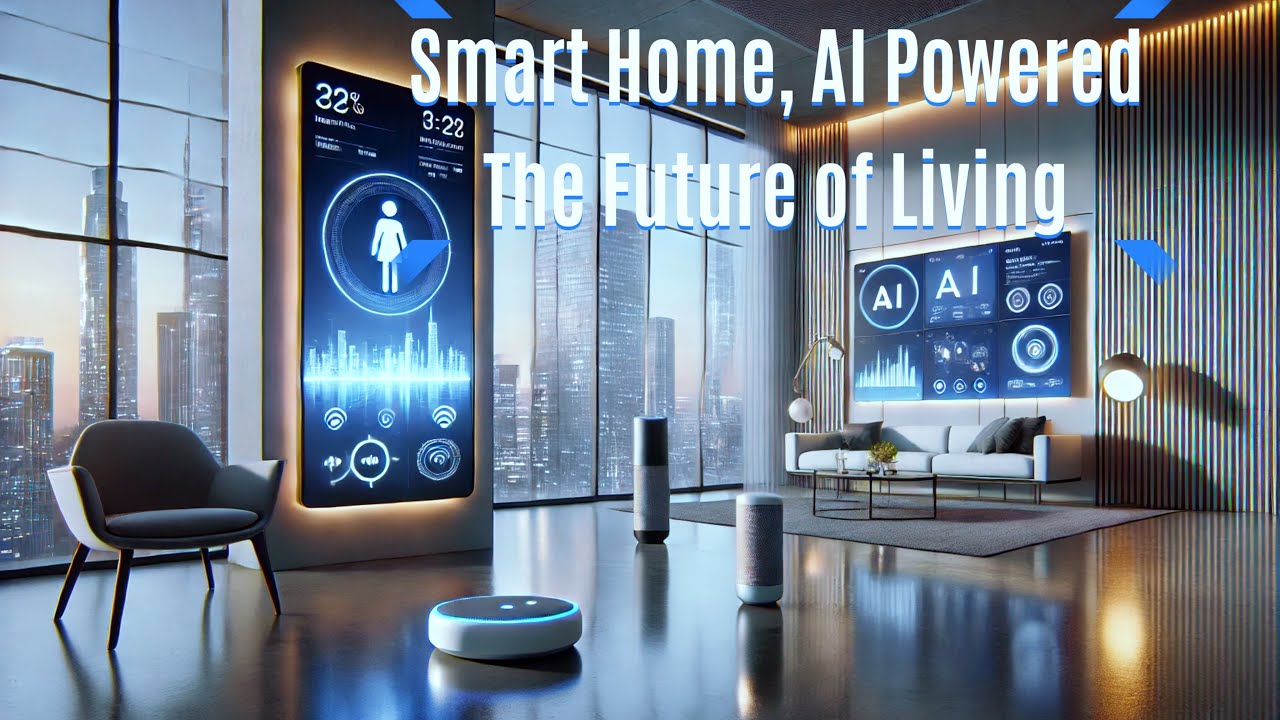
In an era defined by technological convergence and a growing emphasis on personal health sovereignty, our homes are undergoing a profound transformation. They are evolving from mere shelters into intelligent, responsive environments that actively participate in safeguarding our most valuable asset: our well-being. At the forefront of this domestic revolution are AI-Powered Smart Home Health Monitors. These are not simple gadgets; they are sophisticated ecosystems of sensors, algorithms, and predictive analytics designed to provide a continuous, unobtrusive, and deeply insightful window into our physiological state. Moving far beyond the step-counting wearables of yesterday, this new generation of technology promises a future where health management is seamless, personalized, and fundamentally preventive. This comprehensive guide delves into the intricacies of these systems, exploring their mechanisms, benefits, challenges, and the profound impact they are set to have on the future of healthcare and daily living.
Understanding the Core Technology: From Data to Intelligence
At its heart, an AI-powered health monitoring system is a symphony of hardware and software working in concert. The magic lies not in a single device, but in the interconnected network and the artificial intelligence that interprets the data.
A. The Sensor Matrix: The Digital Nervous System
The foundation is a distributed array of smart sensors embedded within everyday objects and environments. These include:
-
Radar and RF Sensors: Embedded in walls or devices like sleep monitors, these use subtle frequency changes to detect heart rate, respiration patterns, and even falls without any physical contact.
-
High-Resolution Cameras with Computer Vision: Strategically placed (with strict privacy controls), these can analyze gait, posture, facial pallor, and detect signs of unsteadiness or distress.
-
Environmental Sensors: Integrated into smart thermostats and air quality monitors, these track VOC levels, particulate matter, humidity, and temperature all critical factors for respiratory and overall health.
-
Touch-Point Sensors: Smart toilets can perform urinalysis via optical scans; smart scales use bioelectrical impedance analysis (BIA) to measure body composition, not just weight; smart faucets could potentially analyze skin temperature.
-
Voice Analysis Microphones: By monitoring vocal tone, speech patterns, and cough sounds, AI can identify signs of respiratory illness, fatigue, or emotional distress.
B. The AI Brain: The Analytical Powerhouse
Raw sensor data is meaningless without interpretation. This is where machine learning (ML) and deep learning algorithms come into play.
-
Pattern Recognition: AI establishes a personalized baseline for each user—your normal heart rate variability, your typical sleep cycles, your regular movement patterns.
-
Anomaly Detection: The system continuously compares real-time data against this baseline. A subtle but consistent change in nocturnal respiration, a slight alteration in gait symmetry, or a dip in heart rate variability can trigger an alert.
-
Predictive Analytics: This is the most powerful aspect. By correlating multiple data streams over time, AI can identify trends that may indicate the early onset of conditions like urinary tract infections (from toilet sensor data), potential flare-ups of chronic heart failure (from weight and respiration trends), or risks of metabolic syndrome (from body composition and activity data).
-
Contextual Awareness: Advanced systems understand context. An elevated heart rate during a workout video is normal; the same reading while you are reading a book is not. This reduces false alarms and increases relevance.
Expanding the Applications: Beyond Basic Vital Signs
The potential applications for this technology extend across the entire spectrum of health and wellness management, offering tangible benefits for diverse populations.
A. Chronic Disease Management and Remote Patient Monitoring (RPM)
For individuals with conditions like hypertension, diabetes, or COPD, continuous monitoring is a game-changer.
-
A smart system can remind a hypertensive patient to take medication if it detects rising blood pressure trends.
-
For diabetics, future integrations with non-invasive glucose monitors could provide 24/7 insight without finger pricks, with AI suggesting dietary adjustments.
-
COPD patients can be alerted to poor air quality in their home and receive guided breathing exercises via a connected smart speaker if respiratory distress is detected.
B. Aging in Place and Elderly Care Support
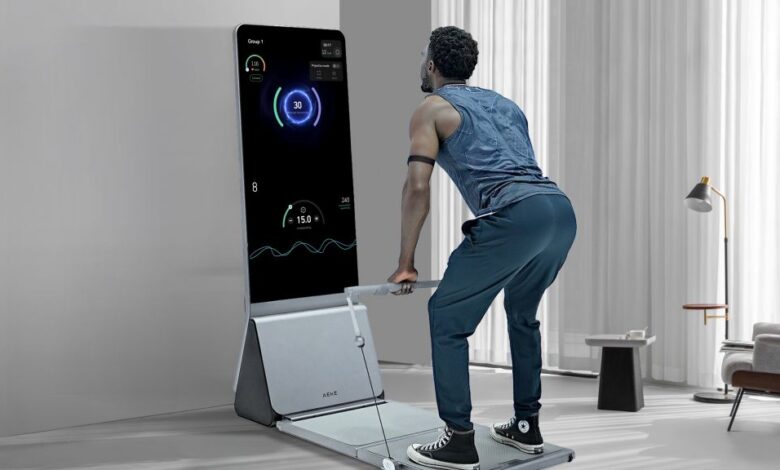
This technology can provide unparalleled safety and independence for seniors wishing to remain in their own homes.
-
Fall Detection and Prevention: Radar sensors can detect a fall with high accuracy and immediately alert family or emergency services. More importantly, by analyzing gait and speed, the system can predict increasing fall risk, allowing for proactive intervention like physical therapy.
-
Cognitive Health Monitoring: Changes in daily routines (forgetting to make morning coffee), wandering behavior at night, or alterations in medication adherence (monitored via smart pill dispensers) can serve as early indicators of cognitive decline.
-
Social and Wellness Engagement: Systems can detect prolonged social isolation (lack of voice activity or movement) and prompt check-in calls or suggest connecting with family via video call.
C. Performance Optimization and Preventive Wellness
For the health-conscious individual, this is the ultimate biofeedback tool.
-
Sleep Optimization: Beyond tracking cycles, AI can analyze sleep environment (temperature, light, noise) and physiological data to provide personalized recommendations for improving sleep quality.
-
Recovery and Overtraining Analysis: For athletes, correlating heart rate variability, sleep data, and activity levels can provide precise guidance on when to push hard and when to prioritize rest.
-
Stress Management: By monitoring physiological markers of stress (heart rate, voice tone, sleep patterns), the system can prompt guided meditation sessions, suggest breaks, or adjust home lighting to a calming spectrum.
Addressing the Elephant in the Room: Privacy, Security, and Ethical Challenges
The benefits are immense, but they are accompanied by significant concerns that must be addressed head-on for widespread adoption.
A. Data Privacy: Your Most Intimate Information
These systems collect the most intimate data possible: the biological rhythms of your body within the sanctity of your home. Key questions include:
-
Who owns this data? The user, the device manufacturer, or the insurance company?
-
How is it being used? Is it aggregated and anonymized for research, or sold to third parties for advertising?
-
Can users permanently delete their data? Robust data governance frameworks are non-negotiable.
B. Cybersecurity: Fortifying the Digital Health Fortress
A network of health sensors is a tempting target for hackers. A breach could lead to:
-
Blackmail or Embarrassment: Leaking sensitive health conditions.
-
Physical Harm: Manipulating device readings to cause panic or hide a real emergency.
-
Identity Theft: Health data is incredibly valuable on the dark web. Encryption, regular security patches, and secure local processing (edge computing) are critical.
C. Algorithmic Bias and Accuracy
AI models are only as good as the data they are trained on. If training datasets lack diversity, the algorithms may be less accurate for underrepresented ethnicities, body types, or ages. Furthermore, the risk of false positives (causing unnecessary anxiety) and false negatives (missing a real issue) must be minimized through rigorous clinical validation.
D. The Human Element: Compassion vs. Automation
An over-reliance on technology could lead to the “automation of compassion,” where family members or caregivers feel less need to check in personally. The technology must be designed to augment human care, not replace the essential human connection.
The Future Horizon: Integration and the “Health-Aware” Home
The true potential of AI-powered health monitors will be unlocked through seamless integration, moving toward a holistic “health-aware” home ecosystem.
-
Interoperability: Devices from different manufacturers must communicate via universal standards (like Matter for the smart home, and FHIR for health data), creating a unified health dashboard for the user and their physician.
-
Integration with Telehealth: Data from the home will flow directly into Electronic Health Records (EHRs), enabling virtual consultations where doctors have rich, objective data, making diagnostics more accurate and efficient.
-
Proactive Environmental Adjustment: The home itself will become therapeutic. For an asthma patient, the system could automatically turn on air purifiers when pollen counts are high. For optimal sleep, it could gradually dim lights, lower the temperature, and play soothing sounds.
-
Generative AI Health Coaches: Future systems will feature conversational AI avatars that act as 24/7 health coaches. They will explain trends in your data, answer questions in simple terms, and provide motivational support for lifestyle changes, all based on your unique health profile.
Making an Informed Choice: A Buyer’s Considerations
For consumers ready to explore this technology, a careful, informed approach is essential.
A. Define Your Primary Use Case: Are you managing a chronic condition, supporting an aging parent, or optimizing personal wellness? This will dictate the type of sensors and system you need.
B. Prioritize Privacy and Security: Research the manufacturer’s data policies. Opt for devices that process data locally on the device (edge computing) when possible, and always use strong, unique passwords and two-factor authentication.
C. Seek Clinical Validation: For monitoring serious conditions, look for devices that have received clearance from regulatory bodies like the FDA (in the US) or CE marking (in Europe) for specific health claims.
D. Plan for Integration: Choose devices that work within a major ecosystem (like Apple HomeKit, Google Home, or Samsung SmartThings) or support open standards to avoid creating a collection of disconnected “data silos.”
E. Consider the Cost Ecosystem: Account for not just the hardware, but any potential subscription fees for advanced AI insights, data storage, or professional monitoring services.
Conclusion: A Paradigm Shift Toward Proactive, Personalized Health
AI-Powered Smart Home Health Monitors represent more than a technological trend; they signify a fundamental paradigm shift in our relationship with health. We are moving from a reactive model visiting the doctor only when we feel sick to a continuous, proactive, and personalized model of care managed from the comfort of our homes. This technology empowers individuals with knowledge about their own bodies, provides peace of mind for families, and offers healthcare providers a powerful tool for early intervention and chronic disease management. While navigating the challenges of privacy, security, and ethics is paramount, the potential to improve quality of life, extend independent living, and reduce the burden on healthcare systems is undeniable. The home of the future will not just be smart; it will be empathetic, vigilant, and fundamentally dedicated to nurturing the health of its inhabitants. The revolution is not coming; it is already here, quietly listening, learning, and watching over our well-being.