In a world increasingly defined by digital noise, relentless pace, and material excess, a profound and gentle revolution in living has emerged from the Nordic regions of Europe. Scandinavia’s approach to home life a harmonious blend of aesthetic principles, psychological comfort, and environmental mindfulness offers a compelling antidote to modern stress. This philosophy is far more than a fleeting interior design trend; it is a holistic framework for cultivating well-being, contentment, and sustainability within our most personal spaces. While often encapsulated by the Danish concept of “hygge,” the cozy Scandinavian housing paradigm is a rich tapestry woven from distinct yet complementary threads from Denmark, Sweden, Norway, and Finland. This comprehensive guide delves deep into the core principles, cultural roots, and practical applications of this transformative way of life, providing a detailed blueprint for creating a sanctuary that nourishes the soul.
The Foundational Pillars: Understanding the Nordic Lexicon of Comfort
To grasp the full depth of Scandinavia’s housing philosophy, one must first understand the key cultural concepts that serve as its bedrock. Each term represents a unique facet of a life well-lived at home.
A. Hygge (Denmark): The Heart of Coziness
Pronounced “hoo-ga,” this is arguably the most famous export. Hygge is the art of creating a warm, intimate atmosphere and enjoying the good things in life with good people. It is a feeling of comfortable conviviality, a conscious appreciation of simple, soothing pleasures. In the home, hygge is the soft glow of candlelight, the warmth of a wool blanket, the shared silence of reading together, or the comfort of a hot drink on a rainy day. It’s about safety, equality, and the deliberate pursuit of everyday happiness.
B. Lagom (Sweden): The Golden Mean of Living
Translating to “not too little, not too much, just the right amount,” Lagom is the Swedish principle of balance and sufficiency. It advocates for moderation, functionality, and fairness. In housing, Lagom rejects cluttered excess and stark minimalism alike. It asks, “What is adequate for my needs and wellbeing?” This results in spaces that are thoughtfully curated, highly functional, and devoid of unnecessary items, promoting both mental clarity and sustainable consumption.
C. Koselig (Norway): Coziness as a Shield
Similar to hygge but with a distinct Norwegian character, Koselig (koosh-lee) emphasizes coziness as a refuge, particularly against the harsh, dark winters. It strongly incorporates elements of nature and togetherness. A koselig home might feature a roaring fireplace, rustic wood textures, hearty shared meals, and the strategic use of warm lighting to create a sense of protective warmth and social connection against the cold outside.
D. Sisu (Finland): The Resilient Backbone
While not directly a design term, Sisu represents Finnish stoicism, grit, and resilience the determination to persevere against adversity. This tenacity is reflected in the home through durability, practicality, and a deep connection to the natural world, even in urban settings. It’s about choosing quality materials that last, designing for the realities of climate, and finding solace in quiet, resilient spaces.
Architectural and Design Principles: Building the Cozy Framework
The Scandinavian home is a physical manifestation of these philosophies. Its design is intentional, with every element serving a purpose for comfort, light, and harmony.
A. Maximizing the Magic of Natural Light
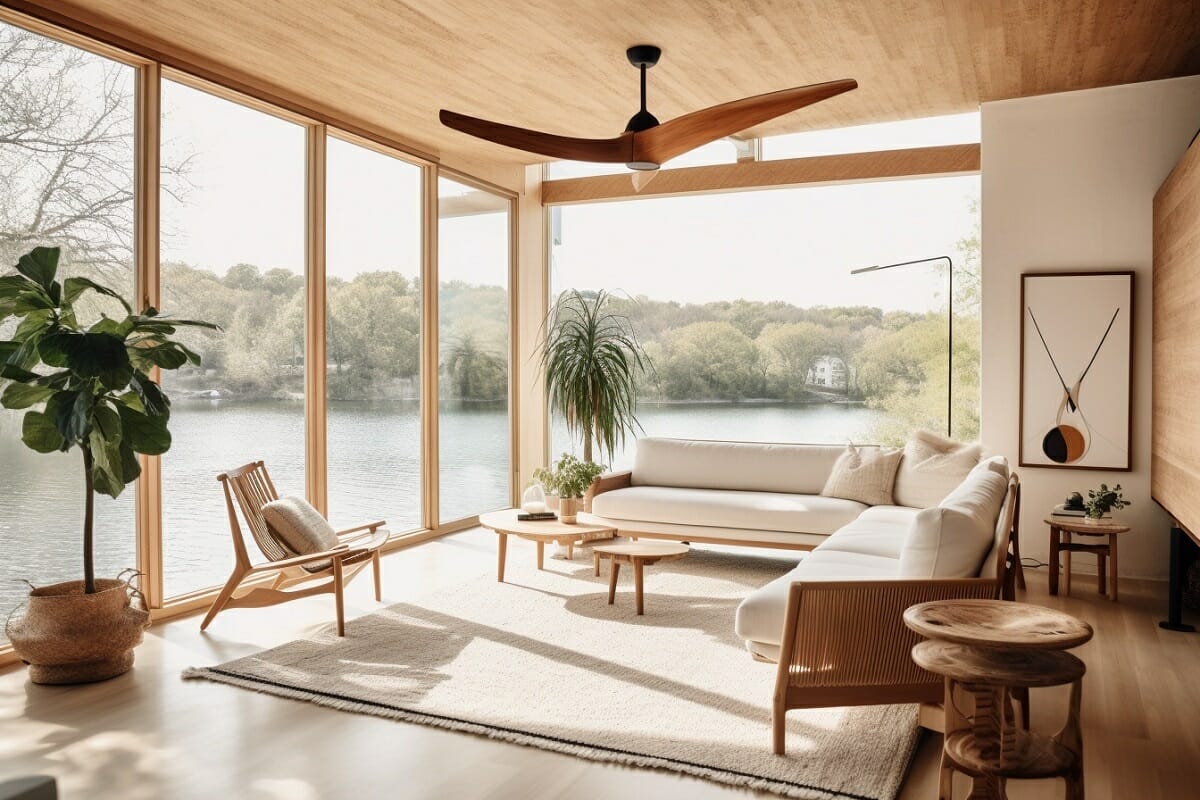
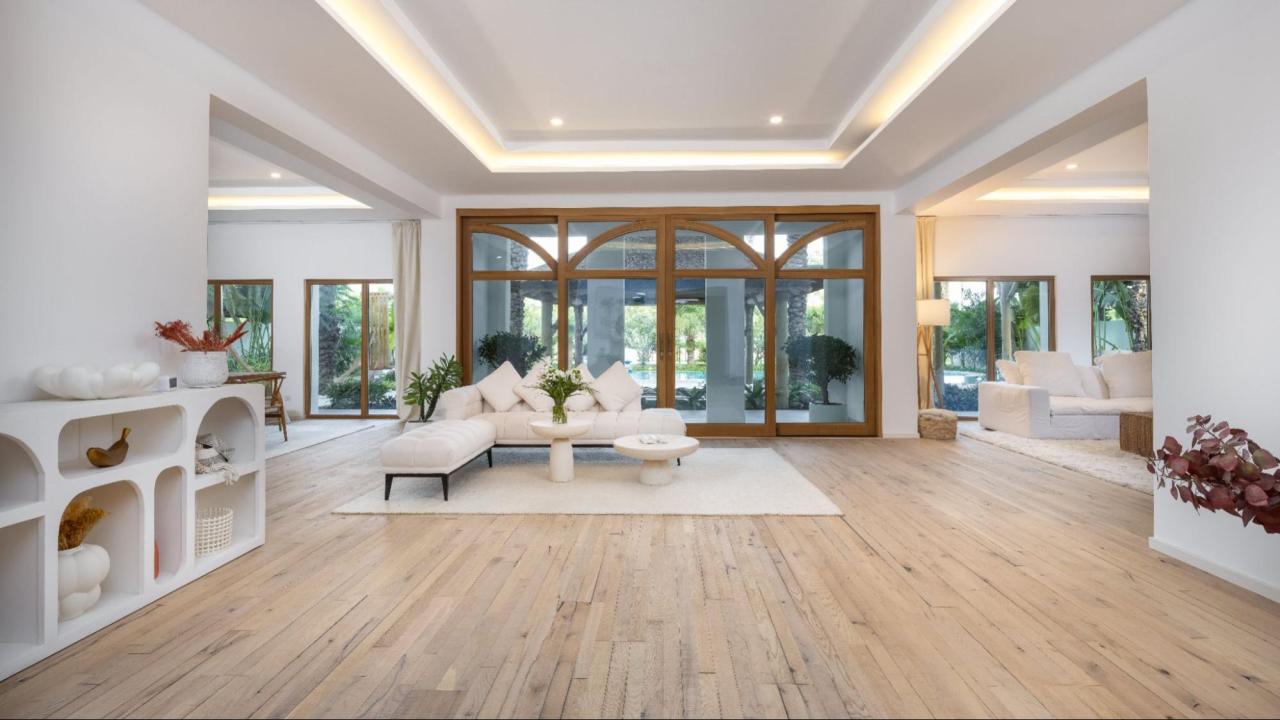
Given the long, dark winters, light is the most precious resource. Architecture prioritizes large, often unadorned windows to capture every possible ray. Window treatments are minimal (sheer curtains or none) to avoid obstruction. This creates interiors that feel airy, expansive, and connected to the outdoors. Light wells, skylights, and strategically placed mirrors are also used to amplify light diffusion throughout the home.
B. A Neutral and Nature-Inspired Palette
The color scheme is a direct response to the external environment. Walls, floors, and large furniture pieces are typically in neutral tones: whites, soft greys, beiges, and light woods. This acts as a calm, reflective canvas that maximizes light perception. Pops of color are introduced sparingly through textiles, art, or a single statement piece, often in muted, earthy tones like forest green, deep blue, or terracotta, maintaining the connection to nature.
C. The Primacy of Natural and Tactile Materials
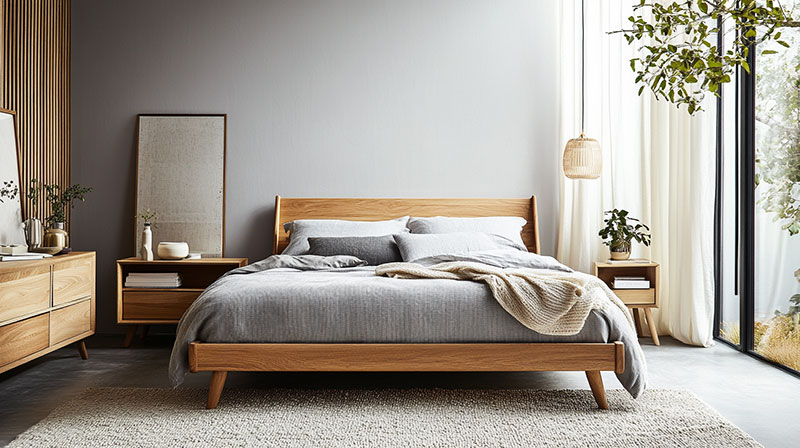
Authenticity is key. There is a profound emphasis on materials that are raw, honest, and tactile. Light-toned woods (pine, ash, oak) for flooring and furniture are ubiquitous. Stone, wool, linen, cotton, leather, and ceramic add layers of texture. These materials age gracefully, develop a patina, and engage the senses the roughness of a woven rug, the smoothness of polished wood, the weight of a knitted throw.
 D. Functional Minimalism and Intelligent Storage
Influenced strongly by Lagom, Scandinavian homes embrace a form of warm minimalism. It is not cold or austere but rather clutter-free and purposeful. Every item should have a function or spark genuine joy. This is supported by innovative, integrated storage solutions built-in cabinets, under-bed storage, multifunctional furniture that keep belongings out of sight but easily accessible, maintaining visual serenity.
E. The Sacred Hearth: Focal Points for Gathering
Historically and symbolically, the hearth is the heart of the home. In modern interpretations, this translates to a strong focal point in the main living area. It could be an actual fireplace (wood-burning or modern ethanol), a striking piece of art, a bookshelf filled with loved volumes, or even a well-designed media unit. This anchor creates a natural gathering spot for family and friends, fostering hygge and koselig.
Cultivating Atmosphere: The Intangible Elements of Coziness
Beyond physical design, the true magic lies in the atmosphere cultivated through rituals, sensory experiences, and mindful practices.
A. The Alchemy of Light: Candles and Ambient Glow
Electric overhead lighting is often avoided in favor of layered, ambient light. Candles are non-negotiable; their flickering, organic flame is the ultimate hygge catalyst. Dozens may be used without hesitation. They are complemented by an array of lamps—floor, table, pendant—with warm-white bulbs to create pools of gentle, inviting light that define different zones of comfort within a room.
B. Textile Layering for Thermal and Visual Warmth
Coziness is physically constructed through layers. Rugs layered over wood floors, throws draped over sofas and chairs, an abundance of cushions in varying sizes and textures. These layers are not only visually inviting but provide immediate physical comfort, allowing inhabitants to adjust their micro-environment for perfect warmth.
C. The Presence of Life and Craft
Homes feel lived-in and loved through personal touches. This includes thriving houseplants (like monsteras or snake plants) that purify air and add vitality, handmade ceramics, inherited items, personal photographs, and well-loved books. These elements tell a story and combat any sense of sterility, rooting the space in personal narrative and craft.
D. Embracing Imperfection and “Wabi-Sabi”
While not a Nordic term, the Japanese concept of wabi-sabi finding beauty in imperfection, impermanence, and the natural cycle aligns perfectly. A slightly worn wooden table, a visibly mended ceramic mug, or an irregular hand-knitted blanket are valued for their character and history. This acceptance fosters a relaxed, non-precious atmosphere where people can truly unwind.
The Deeper Purpose: Wellbeing, Sustainability, and Community
The ultimate goal of this philosophy extends beyond aesthetics to profound impacts on individual and collective life.
A. A Sanctuary for Mental Wellbeing
The home is consciously designed as a restorative sanctuary. The reduction of clutter (Lagom) reduces cognitive load and anxiety. The warm, soft lighting (Hygge) calms the nervous system. The connection to natural materials and plants (a concept often called biophilic design) has been scientifically shown to lower stress hormones and improve mood. The home becomes a tool for mental health maintenance.
B. An Inherently Sustainable Model
The principles of Lagom and durability create a naturally eco-friendly lifestyle. Buying fewer, but higher-quality items reduces waste and consumption. Choosing natural, renewable materials minimizes the toxic load in the home and the environment. The focus on energy efficiency (through good insulation and maximizing passive solar gain) is a long-standing practice. It is sustainability born from practicality and respect for nature, not just ideology.
C. Fostering Connection and “Togetherness”
The layout and atmosphere are engineered to facilitate meaningful human connection. Open-plan living areas that integrate kitchen, dining, and seating encourage interaction. Comfortable, ample seating arranged for conversation, the focal hearth, and dedicated spaces for shared activities (board games, communal meals) all subtly promote samvær the Danish word for togetherness.
D. A Year-Round Philosophy, Not Just a Winter Fix
While its benefits are most pronounced during dark months, the philosophy adapts seamlessly to all seasons. Summer hygge might involve a picnic blanket in a sun-drenched living room, fresh air flowing through open windows, lighter linen textiles, and meals composed of fresh, local produce enjoyed on a balcony. It’s about harmonizing with the rhythm of nature year-round.
Practical Application: Bringing Scandinavian Coziness into Your Home
Adopting this philosophy does not require a full renovation. It begins with mindful shifts and intentional choices.
A. The Great Edit: Embrace Lagom. Conduct a thorough decluttering. For each item, ask: Is it functional? Does it bring me joy? Is it “just right” for my space and life? Donate or sell the excess. Start with visible surfaces and one drawer at a time.
B. Reimagine Your Lighting. Remove harsh overhead bulbs. Invest in multiple light sources—a floor lamp for reading, a table lamp for ambient glow. Use dimmers. Introduce candles (in safe holders) and make lighting them an evening ritual.
C. Layer Textures. Add a chunky knit throw to your sofa. Place a natural fiber rug (jute, wool) in your living area or bedroom. Mix cushion fabrics linen, velvet, wool. Feel the difference these layers make to the sensory experience of a room.
D. Connect with Nature. Incorporate more houseplants suited to your light levels. Swap synthetic materials for natural ones where possible a cotton bedspread, linen napkins, a wooden bread bowl. Use a stone or ceramic vase. Open your windows daily for fresh air.
E. Create Your Nook. Designate a corner for relaxation and unplugging a comfortable chair with a good reading light, a small side table, and a blanket. This becomes your personal hygge sanctuary.
F. Embrace Rituals. Establish small, comforting rituals: a dedicated coffee time in your favorite mug, a weekly board game night with family, a quiet moment with a book and candlelight before bed. These rituals anchor the philosophy in daily practice.
In conclusion, Scandinavia’s cozy housing philosophy presents a powerful, integrated approach to modern living. It transcends decor to offer a pathway to greater mindfulness, resilience, and joy within our domestic spheres. By intertwining the comfort of Hygge, the balance of Lagom, the refuge of Koselig, and the resilience of Sisu, it provides a timeless blueprint for creating homes that are not just places to live, but sanctuaries that actively nurture the human spirit. In an age of distraction, the Scandinavian home stands as a testament to the profound power of simplicity, nature, and intentional comfort.