
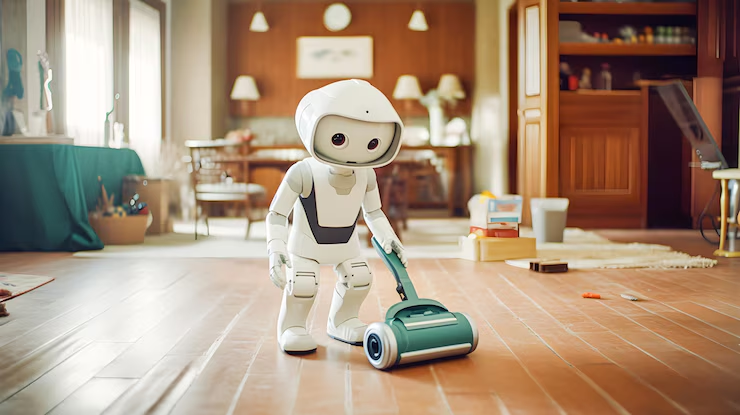
In the ever-evolving landscape of modern living, the concept of the “smart home” has transcended beyond voice-activated lights and app-controlled thermostats. We are now at the precipice of a true domestic revolution, ushered in by autonomous robotics. These mechanical assistants are no longer confined to factory floors or science fiction narratives; they are actively integrating into our daily lives, taking on the mundane, repetitive, and often neglected tasks of home maintenance. This comprehensive guide delves into the world of robotics for automated home maintenance, exploring their current capabilities, the underlying technologies, practical benefits, future potential, and the considerations for welcoming these automated helpers into your personal space.
The traditional approach to home upkeep is fraught with challenges. Time constraints, physical limitations, forgetfulness, and the sheer tedium of chores often lead to deferred maintenance, which can culminate in costly repairs, decreased home efficiency, and a compromised living environment. Robotics presents a paradigm shift—from reactive problem-solving to proactive, continuous care. Imagine a home that essentially maintains itself, preserving its value and comfort with minimal human intervention. This is the promise held by the current generation of home maintenance robots.
A. The Current Arsenal: Robots Redefining Domestic Chores
Today’s market features a variety of specialized robots, each engineered to master a specific domain of home care.
A. Floor Care Custodians: The most mature category, led by robotic vacuum cleaners and mops. Modern units like the iRobot Roomba j7+ or Roborock S7 MaxV employ sophisticated LIDAR (Light Detection and Ranging) and vSLAM (visual Simultaneous Localization and Mapping) to create precise home maps. They navigate complex floor plans, avoid obstacles like shoes and pet waste, and even empty their own dustbins into a central docking station. The latest innovations include mopping robots that intelligently lift their mop pads over carpets and use sonic vibration for deep scrubbing, offering a truly hands-free floor maintenance solution.
B. Exterior Guardians: Robotic Lawn and Gutter Care. Outdoor maintenance is particularly labor-intensive. Robotic lawn mowers, such as those from Husqvarna Automower, operate like indoor vacuums for your yard. They remain docked at a charging station, mow randomly but systematically within boundaries defined by a perimeter wire, and return to charge autonomously. This results in a perpetually manicured lawn with grass clippings acting as natural fertilizer. Similarly, gutter cleaning robots traverse your gutters, using rotary brushes or high-pressure air to clear debris, eliminating the danger and hassle of climbing ladders.
C. Window Cleaning Automation. Cleaning high-rise or numerous windows is a daunting task. Window cleaning robots, like the Hobot 298, use a combination of microfibre pads and powerful suction or magnets (for dual-pane windows) to traverse glass surfaces. Programmed with algorithms to ensure complete coverage, they safely clean interior and exterior panes, saving time and mitigating risk.
D. Emerging and Niche Specialists. The ecosystem is expanding rapidly. Pool cleaning robots (like the Dolphin Nautilus CC) independently scrub, vacuum, and filter swimming pools. Air purification robots, such as the LG CordZero, roam your home, detecting poor air quality and moving to the source to clean the air. Even more specialized robots are in development for tasks like painting, grout cleaning, and household inventory management.
B. The Technological Core: How These Robots Perceive and Act
The intelligence of these machines stems from a confluence of advanced technologies:
A. Advanced Sensing and Perception. Robots are equipped with a suite of sensors that act as their eyes and skin. LIDAR sensors create precise 3D maps by measuring distances with laser pulses. Computer Vision, powered by onboard cameras and AI, allows robots to identify objects (Is that a sock or a pet toy?), recognize rooms, and even detect specific problems like liquid spills. Bump sensors, cliff sensors (to avoid stairs), and dirt detection sensors complete their perception of the environment.
B. Artificial Intelligence and Machine Learning. AI is the brain behind the operation. Machine Learning algorithms enable robots to learn from their environment. Over time, they optimize cleaning paths, remember the layout of furniture, and predict high-traffic areas that need more frequent attention. Object Recognition AI allows a robot to differentiate between a stationary couch and a misplaced backpack, adapting its navigation in real-time.
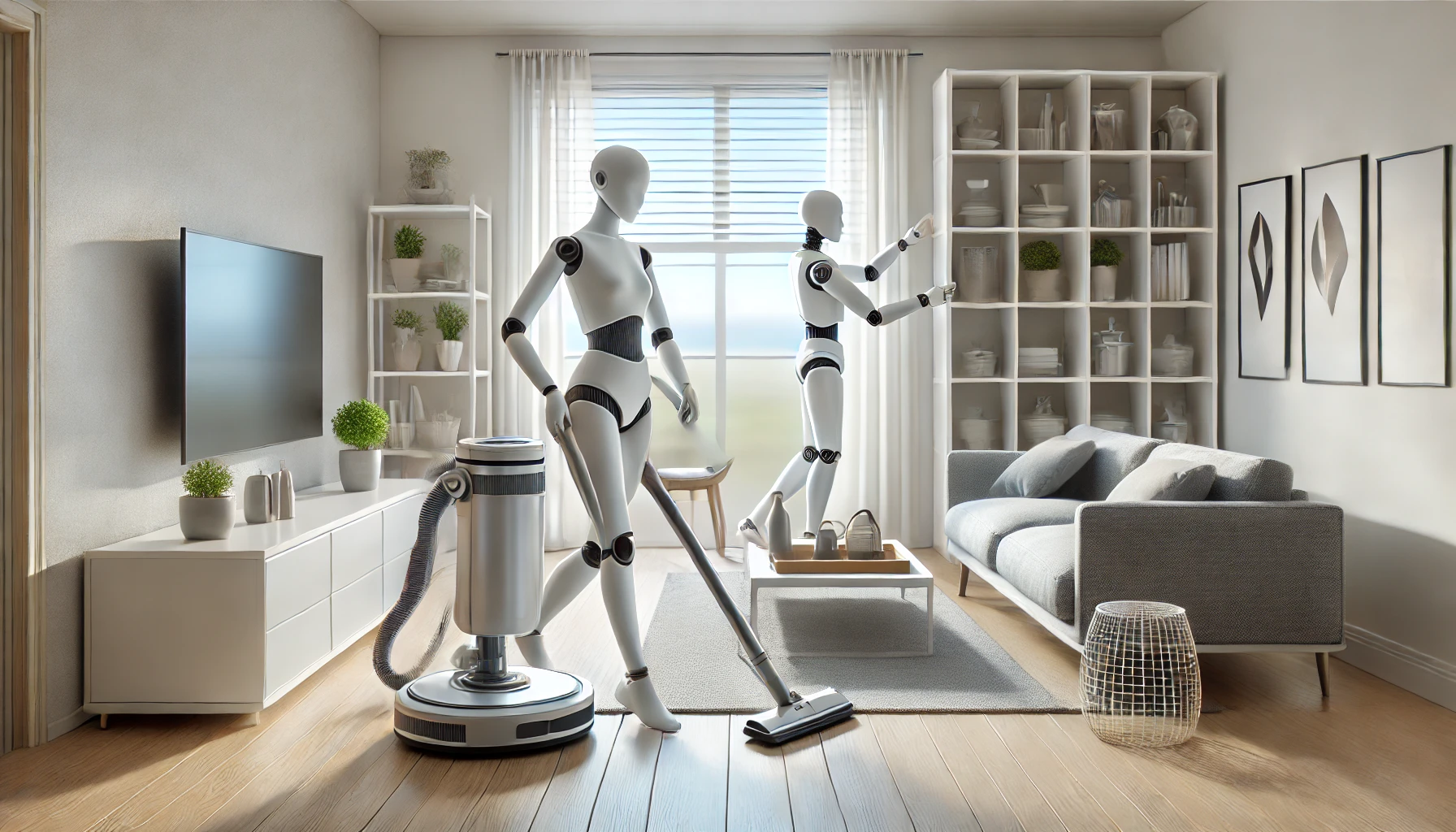
C. Connectivity and Integration: The IoT Backbone. Most home robots are IoT (Internet of Things) devices. Connected via Wi-Fi to a home network, they can be controlled and scheduled through smartphone apps. More importantly, they can integrate with broader smart home ecosystems like Google Home, Amazon Alexa, or Apple HomeKit. This allows for voice commands (“Hey Google, start mopping the kitchen”) and automation routines (e.g., the robot vacuum starts cleaning after the smart lock signals you’ve left for work).
D. Autonomous Navigation and Pathfinding. Using data from sensors and AI, robots employ sophisticated navigation systems. vSLAM allows them to localize themselves within a map while simultaneously building it. Algorithms like A (A-Star)* or Dijkstra’s are used for calculating the most efficient path to complete their task while avoiding dynamic obstacles.
C. The Compelling Advantages: Why Adopt Robotic Maintenance?
The benefits of integrating these systems extend far beyond simple convenience.
A. Unparalleled Time Savings and Convenience. This is the most immediate advantage. By automating repetitive chores, robots give back hundreds of hours per year. This time can be reallocated to family, hobbies, work, or relaxation, significantly enhancing quality of life.
B. Consistency and Enhanced Results. Robots are not subject to human fatigue, boredom, or inconsistency. A robotic lawn mower mows every other day, ensuring an evenly cut, healthier lawn. A vacuum robot operates on a strict schedule, preventing dust and allergen buildup. This leads to a perpetually maintained home at a standard often higher than sporadic human effort.
C. Support for Aging Populations and Accessibility. For the elderly or individuals with mobility issues or disabilities, maintenance robots are transformative. They empower individuals to live independently in their own homes for longer, managing tasks that may have become physically challenging or hazardous, such as vacuuming heavy carpets or cleaning gutters.
D. Long-Term Cost Efficiency and Property Value. While the initial investment can be significant, robots offer long-term savings. Proactive, continuous maintenance prevents minor issues from escalating into major repairs (e.g., clogged gutters causing water damage). A well-maintained home also retains its market value better. Furthermore, efficiency gains, like optimized lawn watering prompted by a robot’s assessment, can reduce utility bills.
E. Health and Environmental Benefits. Robotic vacuums with HEPA filters drastically reduce airborne allergens, dust mites, and pet dander, improving indoor air quality for allergy sufferers. Automated, precise maintenance can also lead to less water and chemical usage (in gardening) and more efficient energy consumption through a cleaner HVAC system.
D. Future Horizons: The Next Decade of Home Robotics
The trajectory points toward even more integrated and intelligent systems.
A. The Rise of the Multifunctional Domestic Robot. The future lies beyond single-task robots. Companies like Toyota and Samsung are prototyping true general-purpose robots, like humanoid or wheeled assistants capable of performing a wide range of tasks from loading dishwashers and folding laundry to handling simple repairs, guided by advanced AI and dexterous manipulators.
B. Advanced AI and Predictive Maintenance. Future robots will move from scheduled tasks to predictive actions. By analyzing data over time, your home robot could alert you that a floorboard is squeaking more than usual, a pipe is showing signs of a potential leak based on sound analysis, or that mold risk is increasing in a bathroom based on humidity and temperature data acting as a true diagnostic partner.
C. Hyper-Integration with Smart Home Systems. Robots will become the physical actuators of the smart home brain. Imagine a scenario where your smart smoke detector detects a small kitchen fire. It could not only alert you but also dispatch a specialized fire-suppression robot to the exact location while instructing your ventilation robot to clear the smoke.
D. Swarm Robotics for Coordinated Efforts. Instead of one robot doing everything, multiple smaller, specialized robots could work in concert a swarm of tiny robots cleaning intricate balcony railings, or a coordinated team handling whole-house deep cleaning overnight.
E. Considerations and Challenges for Prospective Owners
Adoption is not without its hurdles and requires thoughtful consideration.
A. Initial Investment and Cost. High-end robotic systems represent a substantial upfront cost. A comprehensive ecosystem—lawn mower, vacuum/mop, gutter cleaner can run into several thousand dollars. The cost-benefit analysis must consider long-term savings and value of time.
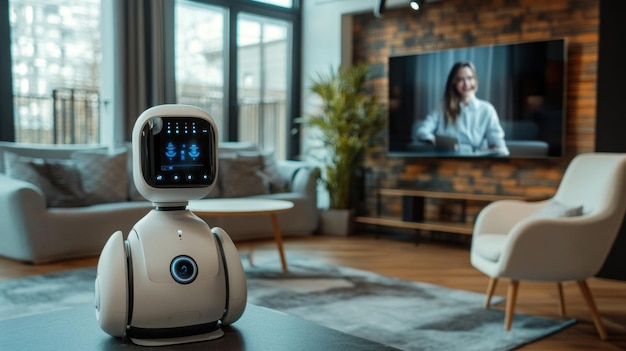
B. Privacy and Data Security Concerns. Robots equipped with cameras and microphones, connected to the internet, collect vast amounts of data about your home and habits. It is crucial to choose reputable brands with transparent privacy policies, strong encryption, and local data processing options to mitigate risks of data breaches or misuse.
C. Technical Limitations and Physical Constraints. No robot is universally perfect. They may struggle with extremely cluttered spaces, very dark rooms, certain types of thresholds, or complex layouts without some human-assisted setup. Regular maintenance of the robots themselves (cleaning brushes, emptying bins) is still required.
D. The Human Touch and Job Displacement Fears. While robots excel at defined, repetitive tasks, they lack the nuanced judgment, creativity, and problem-solving ability of a human for complex repairs. The fear of displacing domestic workers is valid, but the trend may also create new jobs in robot maintenance, programming, and home systems integration.
In conclusion, robotics for automated home maintenance is not a fleeting trend but a fundamental shift in how we steward our personal environments. We are transitioning from being active custodians to becoming managers of an intelligent, automated maintenance fleet. The technology, while still evolving, is already delivering tangible benefits in time, convenience, health, and home preservation. As AI advances and integration deepens, the vision of a truly self-sustaining home moves from the realm of fantasy into an attainable reality. For those looking to invest in their home’s future and reclaim their most precious asset time embracing this robotic revolution is a logical and forward-thinking step. The home of tomorrow will not just be smart; it will be attentive, proactive, and tirelessly maintained by its silent robotic partners.