

The rapid shift to remote work, accelerated by global events, has fundamentally reshaped the professional world. While the freedom and flexibility are celebrated, this transition has unveiled a complex array of new home office challenges that extend far beyond simply having a laptop and an internet connection. What began as a temporary solution for many has evolved into a permanent fixture, demanding a deeper understanding of its psychological, physical, and operational ramifications. This comprehensive guide delves into the multifaceted obstacles of the modern remote work environment, providing actionable strategies to overcome them, enhance productivity, and safeguard well-being. For content creators and professionals alike, mastering this terrain is not just about comfort it’s about sustaining performance, creativity, and ultimately, revenue streams in an increasingly digital economy.
A. The Hidden Psychological Hurdles of Remote Work
The isolation of a home office can quietly erode mental health and motivation. Unlike a traditional workplace, the home environment lacks the implicit structure and social cues that organize our day.
-
Blurred Boundaries Between Work and Personal Life: The physical merger of office and home makes it exceedingly difficult to “clock out.” The absence of a commute, once a mental buffer, means work can creep into early mornings, late nights, and weekends, leading to chronic stress and eventual burnout. The constant accessibility creates an expectation of being perpetually “on,” which is unsustainable.
-
Combatting Loneliness and Diminished Social Capital: Watercooler conversations, casual lunches, and even brief hallway chats are more than social pleasantries; they are crucial for building camaraderie, sparking collaboration, and fostering a sense of belonging. Remote work often strips these away, leading to feelings of isolation. Furthermore, the lack of informal interaction can result in “out of sight, out of mind” syndrome, potentially impacting career advancement and professional visibility.
-
The Motivation and Self-Discipline Dilemma: Without the external structure of an office—supervisors nearby, a set start time, and the ambient productivity of colleagues—self-management becomes paramount. Procrastination, distractions, and the challenge of self-starting can significantly hinder output. This requires a level of intrinsic discipline that many are not initially prepared to cultivate.

B. Physical and Environmental Setbacks in the Home Workspace
Many remote workers initially set up at kitchen tables or on sofas, but as remote work persists, these improvisational spaces reveal serious drawbacks.
-
The Ergonomic Crisis: Prolonged use of non-ergonomic furniture like dining chairs and standard desks is a direct path to repetitive strain injuries. Poor posture leads to a host of issues including chronic back and neck pain, carpal tunnel syndrome, and eye strain from improper screen positioning. Investing in ergonomics is an investment in long-term health and sustained productivity.
-
Technological Infrastructure and Reliability: The home office is only as strong as its weakest digital link. Unreliable or slow internet, inadequate hardware (like old computers or insufficient RAM), and poor audio/video equipment for meetings can cripple efficiency and project a unprofessional image. Cybersecurity also becomes a personal responsibility, requiring robust passwords, VPNs, and awareness of phishing threats on home networks.
-
Noise Pollution and Environmental Control: Home environments are rife with distractions: street noise, household appliances, family members, or pets. Unlike a controlled office, these interruptions can break deep concentration repeatedly. Additionally, factors like poor lighting, inadequate ventilation, and unsuitable room temperature can subtly degrade comfort and focus over the course of a workday.
C. Operational and Communication Complexities
The logistical framework of remote work introduces unique hurdles in collaboration, management, and career progression.
-
Collaboration and Communication Breakdowns: Relying solely on digital tools like email, Slack, and Zoom can lead to misunderstandings. The absence of non-verbal cues and tone of voice increases the risk of miscommunication. Collaborative brainstorming and spontaneous problem-solving often suffer without a shared physical space. Time zone differences in distributed teams further complicate scheduling and real-time collaboration.
-
Management and Performance Tracking Difficulties: For managers, leading a remote team requires a shift from monitoring activity to measuring outcomes. Micromanagement becomes tempting yet toxic. Establishing clear expectations, trusting employees, and implementing objective performance metrics are new skills that must be learned. For employees, proving productivity without visible presence can create anxiety.
-
Career Development and Visibility Gaps: A significant concern for remote employees is stagnation. Mentorship opportunities can be harder to come by, and informal learning that happens through observation is reduced. There’s a tangible risk that remote workers may be overlooked for promotions or high-profile projects in favor of colleagues who have more frequent face-to-face interaction with leadership.
D. Strategic Solutions for a Sustainable Remote Work Life
Conquering these challenges requires intentional design and proactive habits. Here is a detailed blueprint for building a resilient and productive remote work practice.
-
Designing a Dedicated and Ergonomic Workspace: This is the non-negotiable foundation. Carve out a space, even a corner, used exclusively for work. Invest in an ergonomic chair with lumbar support, a desk at the correct height (consider a sit-stand desk), and position your monitor so the top is at or slightly below eye level. Ensure the area has good, natural lighting where possible to reduce eye strain and boost mood.
-
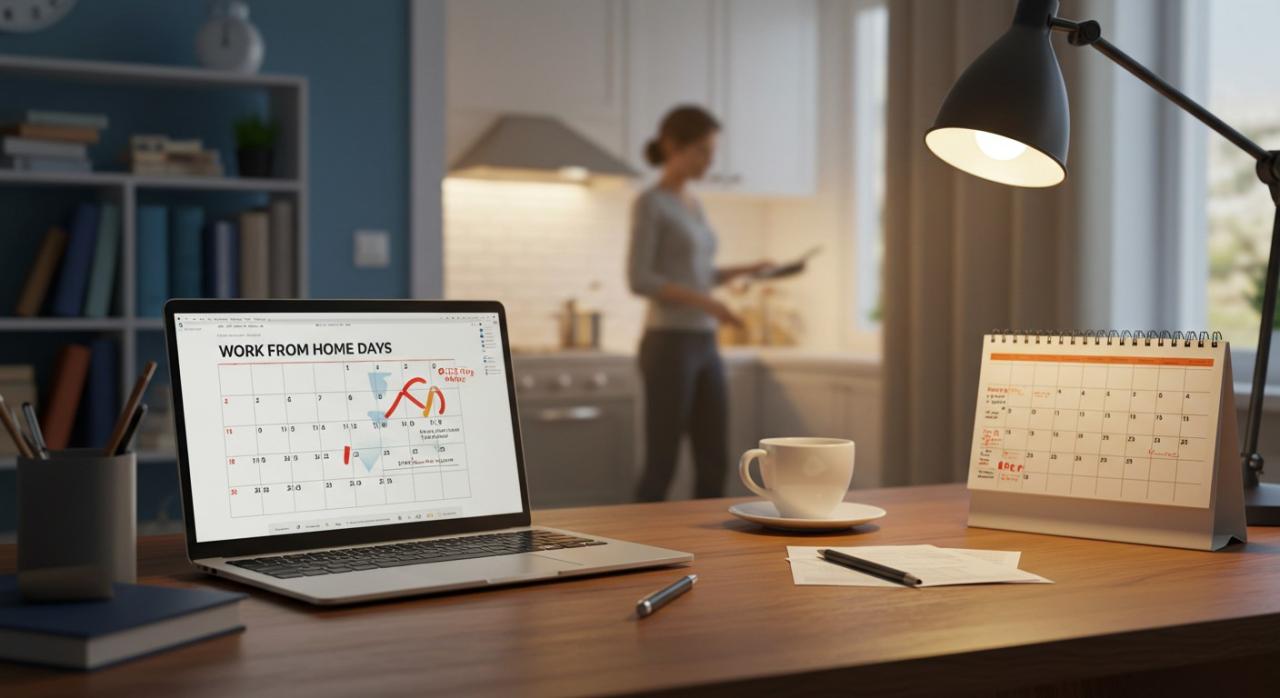
Mastering Time and Boundary Management: Ritualize your day. Start with a consistent morning routine that doesn’t involve immediately checking email. Define strict work hours and communicate them to your household and colleagues. Use digital calendar blocks for focused work. Most importantly, institute a firm end-of-day ritual shut down the computer, tidy the workspace, and engage in a deliberate activity to signal the transition to personal time.
-
Proactive Communication and Social Engagement: Over-communicate with your team. Use video calls for complex discussions. Schedule regular virtual coffee chats or non-work-related team check-ins to rebuild social bonds. Be explicit about project updates and availability. Utilize collaborative tools like Asana, Trello, or shared documents to maintain transparency and project momentum.
-
Leveraging Technology for Efficiency and Security: Upgrade your core tools. Ensure you have a high-speed, reliable internet connection. Use a quality headset with a microphone for clear audio. Implement a password manager and a reputable VPN. Utilize cloud storage for backup and accessibility. Explore productivity apps like “Freedom” or “Cold Turkey” to block distracting websites during work hours.
-
Prioritizing Holistic Well-being and Professional Growth: Schedule breaks using techniques like the Pomodoro Method (25 minutes of work, 5-minute break). Incorporate physical movement into your day stretching, walking, or exercise. Actively seek out virtual training, webinars, and online courses for skill development. Don’t wait for mentorship; proactively seek virtual meetings with leaders to discuss your career goals and contributions.
Conclusion: Building Your Fortress of Productivity and Balance
The new era of remote work is not merely a change of location; it is a complete reimagining of how we structure our professional lives. The challenges psychological, physical, and operational are real and interconnected. However, by recognizing and strategically addressing these hurdles, remote work can transform from a source of stress into an unparalleled opportunity for autonomy, efficiency, and improved quality of life. The successful remote worker of today and tomorrow is an architect: deliberately designing their environment, their schedule, and their communication habits to build a fortress of productivity and personal well-being. By implementing these comprehensive solutions, you position yourself not just to survive, but to thrive in the digital workspace, ensuring both your professional output and personal health remain optimized for the long term.