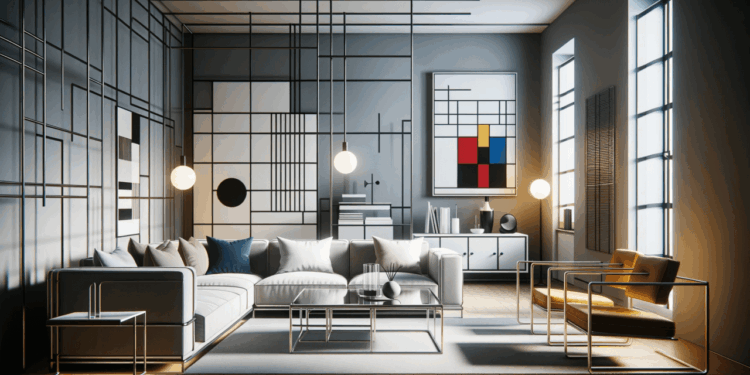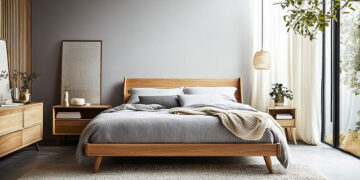
In the ever-evolving landscape of social media aesthetics, TikTok has once again proven itself as a powerhouse for setting global design trends. Among the latest to capture the imagination of millions is the “Hidden Home” trend, a philosophy that transcends mere decoration to embrace intentionality, minimalism, and psychological well-being through strategic concealment. This movement is not about having less, but about showcasing less, creating serene sanctuaries that prioritize peace and personalization over public display. For homeowners, renters, and design enthusiasts, understanding and implementing this trend offers a transformative approach to living spaces that aligns perfectly with modern desires for calm and control. This comprehensive guide will delve into every facet of the Hidden Home trend, providing actionable insights to help you master this aesthetic for a more harmonious and sophisticated living environment.
A. Deconstructing the Hidden Home: More Than Just Aesthetic
At its core, the Hidden Home trend is a direct response to the digital age’s constant visibility and clutter—both physical and mental. It moves beyond the stark, sometimes impersonal, minimalism of the past decade, offering a warmer, more livable alternative.
The Core Philosophy: The principle is elegantly simple: by creatively concealing the functional, mundane, or personal items of daily life, you amplify the beauty and intentionality of the objects that remain in view. It’s a curated stage where only the “performance” elements are spotlighted. This serves a dual purpose:
-
Visual Calm: It drastically reduces visual noise, which neuroscientists link to reduced stress and improved focus. A space free of scattered belongings allows the mind to relax.
-
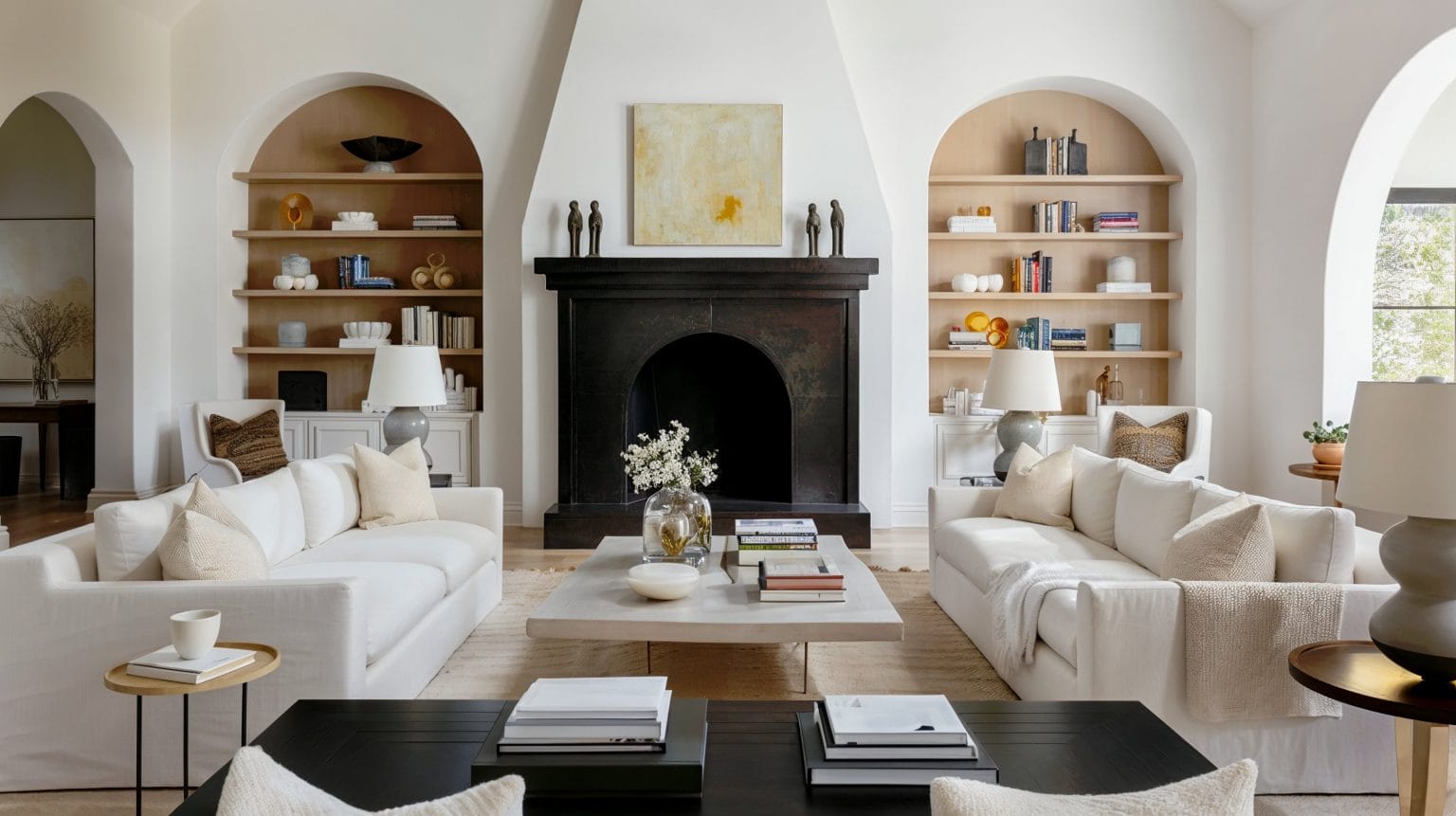
Intentional Curation: It forces a mindful approach to decor. Every visible item a sculpture, a cherished book, a single plant becomes a deliberate statement, elevating its importance and beauty.
Psychological Underpinnings: This trend taps into profound psychological needs. Our environments directly impact our mental state. Clutter is often subconsciously processed as unfinished business, generating low-level anxiety. The Hidden Home creates a sense of order and mastery, fostering feelings of safety, control, and tranquility. In a world of information overload, the home becomes a controlled retreat.
Distinction from Minimalism: While sharing a love for clean lines, the Hidden Home is practical. It doesn’t demand you own only 30 items; it encourages you to have smart storage for the 300 items you need. It’s minimalist in spirit but maximalist in functionality, allowing for personality and collection without the chaos.
B. Key Pillars and Implementation Strategies
Implementing the Hidden Home trend requires a shift from simple organization to integrated design thinking. Here are its foundational pillars.
A. The Magic of Disappearing Act: Strategic Concealment
This is the trend’s most recognizable feature. The goal is to integrate storage seamlessly into the architecture and decor.
-
Behind Closed (Beautiful) Doors: Replace open shelving with full-height, handle-less cabinets. Use push-to-open mechanisms for a flush, unbroken surface. Kitchen counters become clear when small appliances are housed behind cabinetry panels.
-
The Rise of the Furniture Hybrid: Invest in pieces that double as storage. Ottomans with lift-up lids, beds with expansive underneath drawers, and coffee boxes with hidden compartments are quintessential.
-
Camouflage and Blend: Use storage that matches wall colors exactly, causing it to recede visually. A painted cabinet that matches the wall color becomes a subtle shape rather than an obvious storage unit.
B. Zoning and Dedicated Spaces
The Hidden Home champions the concept of “a place for everything.”
-
Creating “Closed” Zones: Designate specific cabinets, closets, or even a small room as the “utility hub.” This is where laundry supplies, cleaning equipment, toolkits, and tech boxes live. The door acts as a barrier between function and relaxation.
-
The “Drop Zone” Evolution: Every home needs a landing pad for keys, mail, and bags. The Hidden Home version is a dedicated drawer or a small cabinet with organizers near the entry, preventing these items from migrating onto surfaces.
C. The Art of the Thoughtful Reveal
What you choose to show is as important as what you hide. This is where personality shines.
-
Meaningful Collections: Instead of crowding shelves, practice rotational display. Showcase a small group of ceramics, a few impactful art books stacked thoughtfully, or a single shelf of meaningful travel souvenirs.
-
Textural Contrast: With surfaces cleared, texture becomes paramount. A chunky knit throw, a rough-hewn wooden bowl, a soft wool rug, or a sleek metal lamp add depth and sensory interest without visual clutter.
-
Biophilic Elements: Plants are almost always given a visible stage in this trend. Their organic forms provide life and softness against clean, structured backgrounds, reinforcing the connection to a calming natural world.
C. Room-by-Room Mastery Guide
A. The Kitchen: The Ultimate Test Ground
The kitchen, brimming with gadgets and packages, benefits immensely.
-
Appliance Garages: Create dedicated, door-fronted countertop cubbies for the toaster, kettle, and coffee maker.
-
Integrated Electronics: Hide charging stations in a drawer with a small hole for cable management.
-
Pantry Perfection: Use uniform, labeled containers (glass or neutral plastic) for dry goods. This turns a practical pantry into a serene, organized library of ingredients.
B. The Living Room: Sanctuary of Serenity
This is the space where the trend’s calming effect is most vital.
-
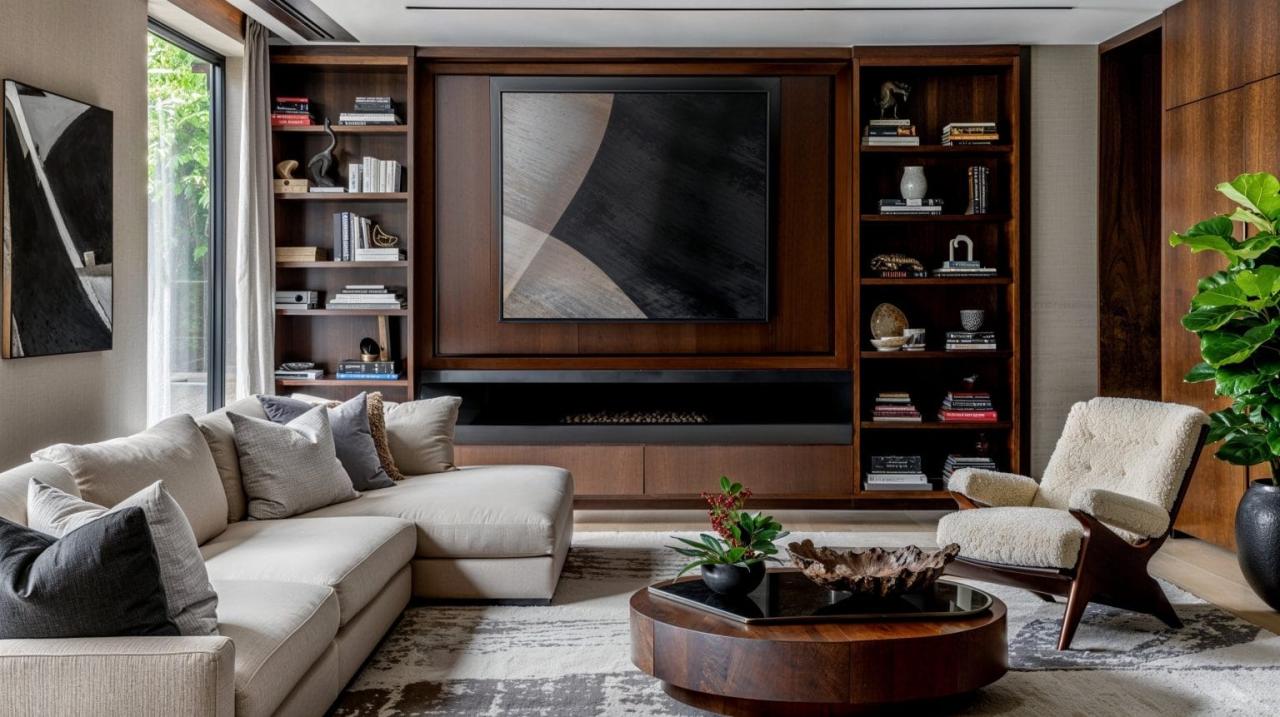
Media Walls: House the TV, gaming consoles, routers, and speakers within a sleek wall unit with doors that close. When not in use, the entertainment center disappears.
-
Nested and Multi-Functional: Use nesting tables that can be tucked away. Choose sofas and chairs with discreet built-in storage for blankets.
-
Cable Invisibility: Employ cord covers, in-wall routing, or furniture designed to channel cables out of sight. This single step has a monumental impact on cleanliness.
C. The Bedroom: A True Retreat
The bedroom should be a temple for rest, free from work or clutter.
-
The Sanctuary Closet: If space allows, design the closet to hold not just clothes, but also luggage, seasonal items, and even a small laundry hamper.
-
Floating Nightstands: Opt for wall-mounted nightstands or those with drawers. The space beneath appears lighter and is easier to clean.
-
Bedding as a Feature: With surfaces clear, the bed takes center stage. Invest in high-quality, textured bedding and a standout headboard as the room’s focal art piece.
D. The Bathroom: Spa-Like Simplicity
Transform this utilitarian space into a personal spa.
-
Vanity Valhalla: Ensure the vanity has ample, intelligent drawer space. Use dividers for cosmetics and toiletries.
-
Shower Niches: Recessed shower niches keep bottles off ledges, creating a streamlined, hotel-wet-room feel.
-
Linen Cabinets: Dedicate a tall cabinet to towels, toilet paper, and grooming essentials, keeping counters completely bare except for a single decorative item like a candle or a plant.
D. The Tangible Benefits: Why This Trend Resonates
The popularity of the Hidden Home is not superficial; it delivers measurable improvements to daily life.
A. Enhanced Mental Well-being and Reduced Stress
A calm visual field directly correlates with a calmer mind. The reduction in cognitive load—the mental energy spent processing scattered objects—is significant. Coming home to an ordered, serene space acts as a psychological reset.
B. Amplified Perception of Space
By eliminating visual obstructions and floor clutter, rooms appear larger, airier, and more open. Light flows more freely, and the architecture of the space itself becomes a feature.
C. Simplified Cleaning and Maintenance
Fewer surfaces with objects mean dusting and cleaning become faster and more effortless. It also encourages the “one in, one out” rule, preventing accumulation.
D. Increased Focus on Meaningful Possessions
When you are forced to choose what to display, you naturally select items with the highest emotional or aesthetic value. This deepens your connection to your environment and fosters a more gratitude-oriented relationship with your belongings.
E. Common Implementation Pitfalls and How to Avoid Them
A. Over-Concealing and Creating Inefficiency
Hiding items used multiple times daily (like a coffee maker in a hard-to-reach cabinet) is a recipe for frustration. Solution: Be pragmatic. Frequently used items deserve accessible, if still tidy, homes. Use shallow shelves or easily opened cabinets for daily essentials.
B. Creating a Cold, Impersonal Atmosphere
An overzealous approach can lead to a sterile, hotel-like feel. Solution: Infuse warmth through the “reveal” elements. Use wood tones, personal memorabilia, handmade objects, textiles, and greenery to inject soul and personality.
C. Underestimating the Need for Organizational Systems
You cannot simply shove things behind a door. Chaos behind cabinet doors defeats the purpose. Solution: Invest in modular drawer organizers, dividers, bins, and labels. The hidden spaces must be as systematically organized as the visible ones are curated.
D. Neglecting Budget-Friendly Solutions
The trend can seem to demand costly built-ins. Solution: Get creative. Use room dividers, decorative screens, large baskets with lids, curtains across open shelving, and second-hand furniture that can be modified. The principle matters more than the price tag.
F. The Future Evolution of Concealed Living
The Hidden Home trend is poised to evolve with technology and societal shifts.
-
Smart Home Integration: Concealment will extend to technology. Motorized cabinets, voice-activated storage solutions, and furniture with built-in wireless charging will become standard.
-
Sustainable and Multi-Functional Design: The trend aligns with sustainability by promoting quality over quantity and spaces that adapt. Furniture will increasingly serve multiple, hidden purposes.
-
A Lasting Philosophy: While specific aesthetics may change, the core desire for intentional, peaceful, and personalized spaces is a lasting cultural shift. The Hidden Home is less a passing fad and more a mature evolution in how we conceptualize our private sanctuaries in a public world.
Conclusion: Crafting Your Personal Sanctuary
TikTok’s Hidden Home trend is far more than a visual aesthetic; it is a holistic approach to domestic life that champions mindfulness, functionality, and profound calm. It answers a modern yearning for spaces that protect and restore rather than perform and overwhelm. By mastering the balance between strategic concealment and thoughtful revelation, you can transform any living space into a personalized sanctuary that supports your well-being. The journey begins not with a massive renovation, but with a single drawer organized, closed, and contributing to the serene landscape of your hidden home. Embrace the philosophy of curated calm, and let your home become the peaceful retreat you deserve.