
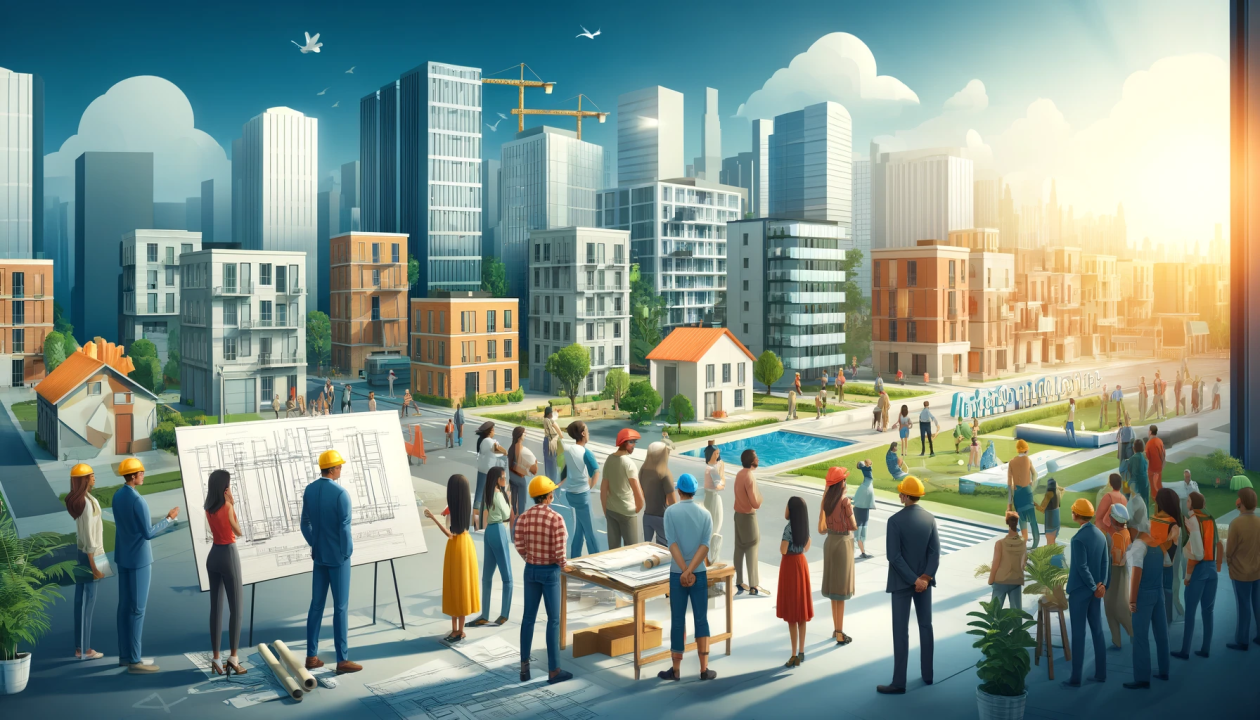
The dream of homeownership, once a cornerstone of economic stability and personal achievement, is becoming increasingly elusive for millions worldwide. From the bustling megacities of North America and Asia to the growing urban centers of Africa and Latin America, a profound and pervasive housing affordability crisis is reshaping societies and economies. This isn’t merely a market imbalance; it is a complex, systemic issue fueled by decades of policy gaps, speculative investment, income stagnation, and supply chain failures. The consequences extend far beyond individual frustration, seeding inequality, stifling economic mobility, and undermining social cohesion. Addressing this global challenge requires moving beyond traditional, siloed approaches and embracing a multifaceted, innovative, and collaborative strategy. This comprehensive analysis delves into the root causes of the crisis and explores a detailed, actionable framework of solutions that can make adequate, dignified, and affordable housing a reality for all.
Understanding the Multifaceted Roots of the Crisis
To effectively solve a problem of this magnitude, we must first diagnose its interconnected causes. The affordability crisis is not a monolithic event but a convergence of several powerful trends.
A. The Chronic Supply Deficit: At its core, in most desirable economic zones, the demand for housing drastically outpaces new construction. This is driven by restrictive zoning laws (often favoring single-family detached homes), lengthy permitting processes, NIMBYism (“Not In My Backyard” opposition), and a shortage of skilled labor. The result is a market that cannot respond efficiently to population growth and urbanization.
B. Land and Construction Cost Inflation: The cost of developable land in urban areas has skyrocketed, driven by speculation and limited availability. Concurrently, the prices of essential building materials lumber, steel, concrete have become highly volatile, exacerbated by global supply chain disruptions. Labor costs in the construction sector have also risen, further squeezing development budgets.
C. Financialization of Housing: Housing has increasingly been treated as a financial asset class rather than a social good. This trend attracts large-scale institutional investors, private equity firms, and speculative capital into residential markets, purchasing swathes of homes for rental portfolios or holding land for future appreciation. This investment activity drives up prices and often sidelines individual, first-time homebuyers.
D. Income Stagnation vs. Price Appreciation: While housing prices in many global cities have doubled or tripled over the past two decades, median household incomes have largely remained flat in real terms. This growing divergence has drastically widened the gap between what people earn and what they must pay for shelter, pushing the standard mortgage or rent out of reach for a growing segment of the population.
E. Inadequate Policy and Outdated Regulations: Many government housing policies are reactive, fragmented, or counterproductive. Subsidies sometimes inflate demand without addressing supply, while rent control, if poorly designed, can discourage maintenance and new rental construction. A lack of coherent, long-term national housing strategies leaves local governments to grapple with overwhelming pressures.
A Comprehensive Framework for Solutions: From Policy to Innovation
Solving this global crisis requires a bold, simultaneous attack on all fronts: supply, financing, regulation, and technology. The following framework outlines a holistic path forward.
A. Radical Reform of Land Use and Zoning Policies
The first and most critical step is to unlock the supply of housing. This involves dismantling exclusionary zoning laws that prohibit denser, more efficient forms of housing. Governments must prioritize:
-
Upzoning: Allowing for multi-family dwellings (duplexes, triplexes, low-rise apartments) in areas traditionally zoned exclusively for single-family homes.
-
Transit-Oriented Development (TOD): Incentivizing high-density, mixed-use housing around public transit hubs to maximize infrastructure efficiency and reduce reliance on cars.
-
Streamlined Permitting: Creating fast-track, predictable approval processes for projects that meet affordability and sustainability criteria, reducing costly delays.
B. Accelerating Construction with Technology and Alternative Methods
To build faster and more affordably, the industry must embrace innovation.
-
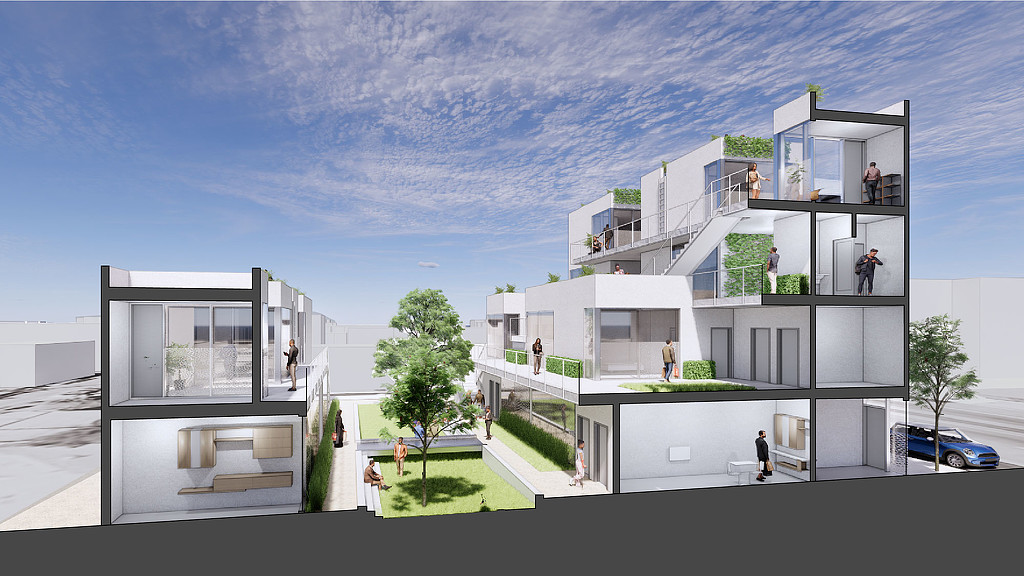
Modular and Prefabricated Construction: Factory-built homes, where components or entire modules are manufactured in controlled environments and assembled on-site, can reduce construction time by 30-50%, minimize waste, and lower labor costs.
-
3D Printing: Emerging 3D printing technology for homes uses concrete or other materials to “print” walls and structures layer by layer, offering unprecedented speed, design flexibility, and potential cost savings for basic housing units.
-
Alternative Materials: Promoting research and use of sustainable, locally-sourced, and cost-effective building materials like cross-laminated timber (CLT), bamboo, or recycled composites can reduce dependency on volatile global commodity markets.
C. Creating Diverse and Innovative Financing Models
Access to capital is a barrier for both developers and buyers. New models are essential.
-
Community Land Trusts (CLTs): These non-profit, community-based organizations acquire and hold land in trust, removing it from the speculative market. Homes are sold on the land at affordable prices, with resale restrictions preserving affordability for future generations indefinitely.
-
Shared-Equity and Co-Ownership Models: Programs where a government entity or investor covers a portion of the down payment in exchange for a share of future equity appreciation make home entry possible for lower-income buyers.
-
Expanded Rental Housing Construction Financing: Dedicated, low-cost loan funds and tax incentives for developers who commit to keeping a significant portion of new units affordable for middle and low-income renters for extended periods (e.g., 30-50 years).
D. Strategic Government Intervention and Public-Private Partnerships
Government must play a strategic, enabling role rather than a purely reactive one.
-
Housing as Infrastructure: Legislating massive, sustained public investment in affordable housing construction, treating it with the same urgency as roads, bridges, and broadband.
-
Inclusionary Zoning with Teeth: Mandating that a percentage of all new medium and large-scale developments (e.g., 15-20%) be dedicated to affordable units, with in-lieu fees funding off-site projects.
-
Robust Tenant Protections and Rental Assistance: While supply grows, strong protections against unjust evictions and rent gouging, coupled with portable housing vouchers that give low-income families choice and mobility, are vital safety nets.
E. Leveraging Data and Smart City Planning
Harnessing technology for smarter planning can optimize resources and target interventions.
-
Housing Data Platforms: Creating open-data portals that track housing stock, vacancy rates, construction permits, rent prices, and affordability metrics in real-time allows for evidence-based policy making and identifies crisis areas early.
-
Predictive Analytics for Urban Planning: Using AI and data models to predict population growth, infrastructure needs, and optimal locations for new housing investments, ensuring development is both proactive and efficient.
Addressing Implementation Challenges and Global Perspectives
The path to implementation is fraught with political, economic, and social hurdles. Overcoming entrenched NIMBY opposition requires clear communication about the benefits of density and community design. Financing these solutions demands courageous political will to reallocate budgets and potentially challenge powerful real estate interests. Furthermore, solutions must be culturally and geographically adapted; what works in Singapore’s highly regulated market may differ from approaches needed in rapidly urbanizing Nigeria or post-industrial regions of Europe.
A critical, often overlooked component is ensuring that new housing is sustainable and resilient. Affordability cannot be achieved at the expense of the planet. Green building standards, energy-efficient designs, and climate-adaptive construction must be integral to all new developments to avoid locking in high utility costs and environmental vulnerability.
Conclusion: Building a Foundation for the Future
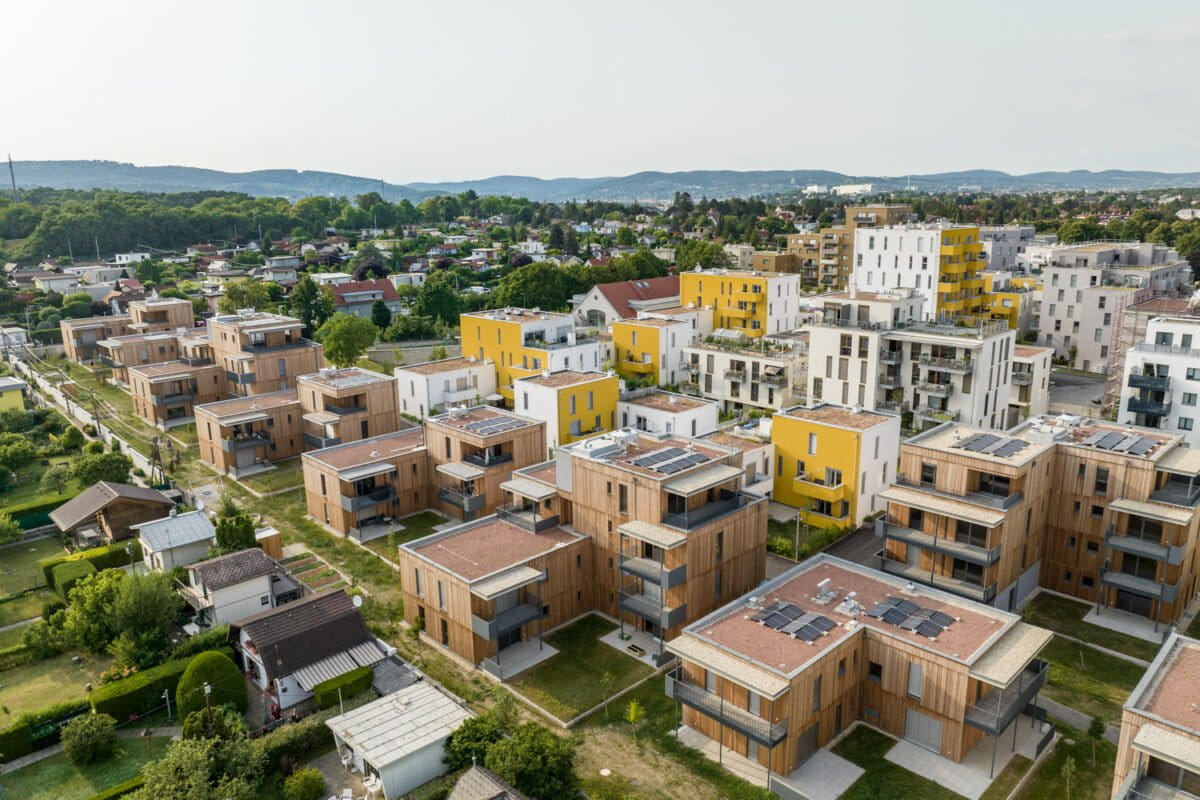
The global home affordability crisis is a defining challenge of our time, but it is not insurmountable. The solution lies in rejecting simplistic, one-dimensional fixes and embracing the complex, integrated strategy outlined here. It requires a paradigm shift: viewing housing not as a vehicle for wealth extraction for the few, but as essential infrastructure for societal well-being and economic prosperity for all. By unleashing innovation in construction, reforming restrictive policies, creating smart financial instruments, and deploying government power strategically, we can build a future where safe, stable, and affordable housing is accessible to every individual and family. The time for incremental change has passed. The blueprint for action is clear; what is needed now is the collective courage to build it.