

Home ownership represents a significant achievement, but it inherently carries the responsibility of maintenance and repair. The rise of online video tutorials and a culture of self-sufficiency has empowered countless individuals to tackle home improvement projects themselves. While the do-it-yourself (DIY) approach can be immensely rewarding and cost-effective, it is fraught with potential pitfalls that can transform a simple fix into a catastrophic, costly disaster. This comprehensive guide delves deep into the most prevalent and severe DIY home repair mistakes, providing detailed analysis on why they occur, their potential consequences, and, most importantly, strategic advice on how to avoid them entirely or recognize when professional intervention is not just advisable but essential.
The allure of DIY is undeniable: the promise of saving money, the satisfaction of personal accomplishment, and the immediate resolution of household annoyances. However, underestimating the complexity of a project is the primary catalyst for error. What begins as a “quick fix” can quickly unravel, leading to compromised structural integrity, voided warranties, severe safety hazards, and financial losses far exceeding the original quote from a licensed professional. This article serves as your essential pre-project checklist, arming you with the knowledge to navigate the hidden complexities of home repair, prioritize safety, and ensure your efforts enhance, rather than diminish, your home’s value and safety.
A. Underestimating Project Scope and Complexity
The foundational error in doomed DIY projects is a failure to accurately assess what the job truly entails. This miscalculation sets off a chain reaction of further mistakes.
A.1. The “While I’m At It” Fallacy: This begins with a targeted task, such as replacing a bathroom faucet. Upon removing the old fixture, you notice minor water staining on the vanity cabinet. Deciding to “just sand that quick,” you then discover a small area of soft wood, leading to a full vanity removal, uncovering potential subfloor moisture issues, and suddenly you are contemplating a full bathroom remodel involving plumbing, cabinetry, and flooring a project orders of magnitude larger than initially planned.
A.2. Lack of Pre-Project Research: Many DIYers dive in after watching a single 10-minute video. Comprehensive research involves consulting multiple sources (building codes, manufacturer instructions, expert forums), understanding the full sequence of steps, identifying all required tools and materials, and recognizing the “points of no return” in the process.
A.3. Consequences of Scope Miscalculation: The results are predictable: projects abandoned in a half-finished state, living spaces rendered unusable for extended periods, budgets obliterated, and immense personal frustration. The psychological toll of living in a construction zone should not be underestimated.
A.4. Prevention Strategy: Before touching a single tool, conduct exhaustive research. Write a detailed step-by-step plan, including a list of every material and tool. Then, double your estimated time and add 30% to your budget. If the project involves multiple skilled trades (e.g., electrical and drywall), it’s a strong indicator of professional-grade work.
B. Ignoring Permits and Building Codes
Building codes and permit requirements are not bureaucratic red tape; they are the codified culmination of decades of safety science, designed to protect inhabitants from fire, structural collapse, electrical shock, and health hazards.
B.1. The Purpose of Codes and Permits: Codes establish minimum safety standards for structural soundness, electrical safety, plumbing sanitation, and fire prevention. The permit process ensures an independent, expert (the municipal inspector) verifies the work at critical stages, catching dangerous errors a homeowner might miss.
B.2. Common Projects Requiring Permits: While varying by locality, permits are typically mandatory for: structural changes (wall removal, new openings), electrical system modifications (new circuits, panel work), plumbing system alterations (re-piping, drain line changes), HVAC installation/replacement, major roofing work, and additions or decks.
B.3. Risks of Bypassing Permits: The risks are severe. You risk fines and being forced to tear out completed work for inspection. In the event of an incident (a fire caused by faulty wiring), your homeowner’s insurance can deny the claim entirely due to unpermitted work. Furthermore, unpermitted work can become a major liability during a home sale, often requiring costly retroactive permitting or lowering the home’s value.
B.4. Prevention Strategy: Always contact your local building department before starting any project beyond basic cosmetic updates. Describe your plans precisely. If a permit is needed, view the inspector not as an adversary but as a free safety consultant. Their approval is your assurance that the work is safe and compliant.
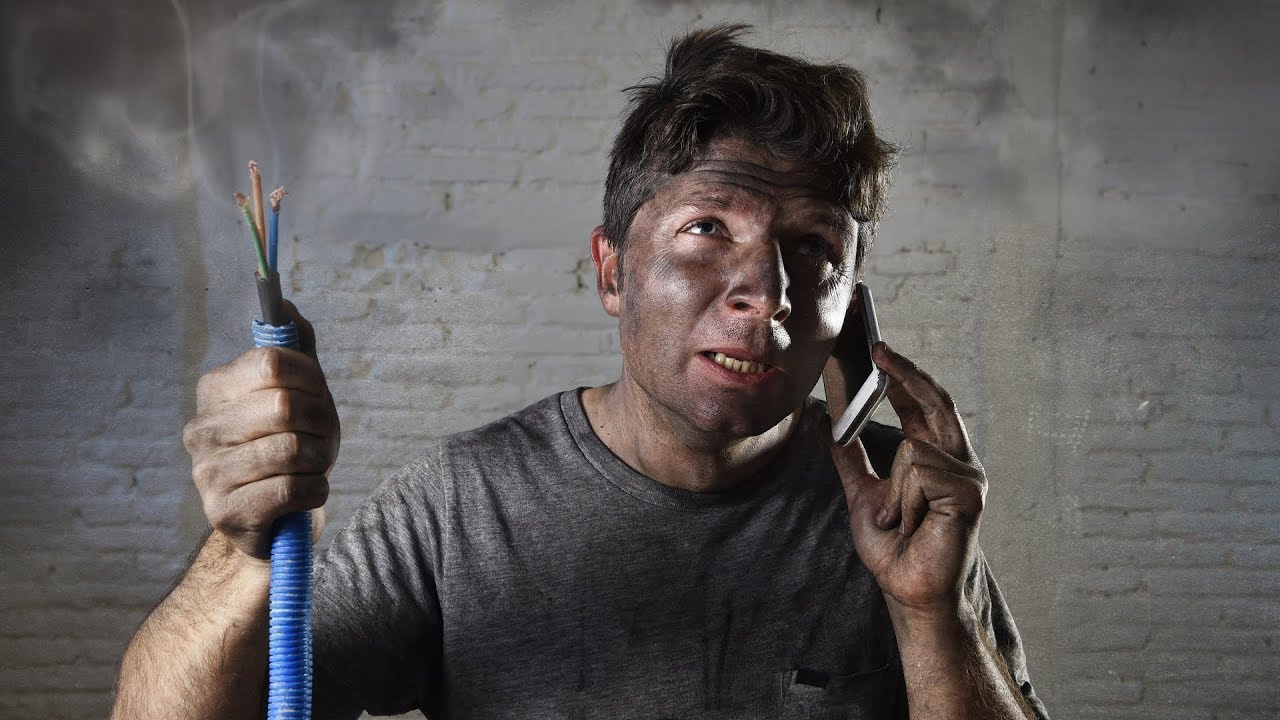
C. Compromising Electrical and Plumbing Safety
These two realms are where DIY mistakes move beyond inconvenience into the territory of lethal danger and catastrophic property damage.
C.1. Electrical Hazards:
-
Over-Circuiting: The most common electrical error is adding new outlets or fixtures to an existing circuit already near its capacity. This can cause breakers to trip incessantly or, worse, cause wiring to overheat behind walls, creating a potent fire hazard.
-
Incorrect Wiring: Reversing hot and neutral wires, improper grounding (or “bootlegging” a ground), and using the wrong wire gauge are errors that can electrify appliance casings or cause shorts.
-
Overconfident Panel Work: The main service panel is lethally dangerous. Amateurs should never attempt to install a new sub-panel or replace the main breaker. The risk of arc-flash explosion and electrocution is extreme.
C.2. Plumbing Hazards:
-
Mixing Metals: Connecting dissimilar metals (e.g., copper directly to galvanized steel) without a dielectric union causes rapid galvanic corrosion, guaranteeing a leak within months or years.
-
Improper Slope and Venting: Drain lines require a precise downward slope (¼ inch per foot) to function. Lack of proper venting prevents water flow and siphon traps dry, allowing deadly sewer gases into the home.
-
Over-tightening Fittings: The mantra “tight enough to seal, not enough to strip” is critical. Over-tightening plastic or brass fittings cracks them, causing immediate or delayed failure. Using Teflon tape incorrectly (wrapping in the wrong direction) can cause tape shreds to clog valves.
C.3. Prevention Strategy: For electrical work, if the task is more complex than replacing a light fixture or switch on an already-proven safe circuit, hire a licensed electrician. For plumbing, understand the difference between supply (pressurized) and drain/waste/vent (DWV) systems. DWV work is far less forgiving. Always use correct fittings, pipe dope, and tape. For both, know the location of the main water shut-off valve and the main electrical service disconnect.
D. Misusing Tools and Lack of Proper Safety Gear
Using the wrong tool for the job, or using the right tool incorrectly, leads to poor results, damaged materials, and personal injury.
D.1. Critical Tool Misapplications:
-
Using a drywall screw for deck building (lacks corrosion resistance).
-
Employing a framing nailer for finish trim (destroys wood).
-
Utilizing a utility knife without a straightedge for cuts.
-
Choosing a wood blade on a circular saw to cut metal.
D.2. The Non-Negotiable Safety Equipment: Eye protection, hearing protection, respiratory masks (N95 for dust, organic vapor cartridges for solvents), and work gloves are mandatory, not optional. For many tasks, steel-toed boots and hard hats are prudent.
D.3. The Ladder Safety Crisis: Failure to properly set a ladder (4:1 angle, on solid level ground, locked spreaders) is a leading cause of DIY emergency room visits. Never stand on the top two rungs, and always maintain three points of contact.
D.4. Prevention Strategy: Invest in quality core tools and read their manuals. Rent specialized tools for one-off jobs. Prioritize purchasing safety gear before starting the project. Treat your personal protective equipment (PPE) with the same importance as your power tools.
E. Improper Surface Preparation and Material Selection
The longevity and quality of any finish paint, stain, caulk, or adhesive are almost entirely dependent on the work done before application. Skipping prep is the hallmark of an amateur job.
E.1. Painting and Finishing Faux Pas: Painting over dirty, glossy, or unstable surfaces without cleaning, sanding, and applying a proper primer guarantees peeling and flaking. Applying paint in extreme temperatures or high humidity prevents proper curing. Using interior paint outdoors leads to rapid failure.
E.2. Tile and Adhesive Errors: Tiling over uneven, flexing, or improperly backed substrates (like regular drywall in a shower) causes cracked grout and loose tiles. Using the wrong type of thinset mortar (e.g., non-modified for porcelain) compromises the bond. Not using spacers for consistent grout lines creates a visually sloppy result.
E.3. Wood and Fastener Failures: Using untreated or non-ground-contact lumber for outdoor projects leads to rot. Choosing nails where screws are required (like for deck boards) leads to popping and loosening. Not pre-drilling for screws near the end of a board causes splitting.
E.4. Prevention Strategy: Adhere to the golden rule: 80% preparation, 20% application. Follow manufacturer instructions on surface prep and material compatibility to the letter. When in doubt about material selection, consult with experts at a specialty lumberyard or paint store, not a big-box store associate.
F. Structural Modifications Without Expert Consultation
This is arguably the most dangerous category of DIY mistake. Walls, beams, and roof components work as an integrated system.
F.1. The Load-Bearing Wall Gamble: Removing any wall, or even cutting a new doorway, requires definitive knowledge of whether it is load-bearing. Exterior walls are almost always load-bearing, as are interior walls running perpendicular to floor joists. Removing one without installing a properly sized header and support posts can lead to sagging ceilings, sticking doors, and in extreme cases, partial collapse.
F.2. Roof and Attic Alterations: Cutting into roof trusses to create attic storage or a skylight opening catastrophically compromises their engineered integrity. Similarly, installing heavy equipment (like a water heater) in an attic without reinforcing the framing is a risk.
F.3. Prevention Strategy: If your project involves altering walls, roofs, or floors, a consultation with a structural engineer (costing a few hundred dollars) is the best investment you can make. They will specify exactly what is needed to maintain safety. Never rely on guesswork or “it looks fine” for structural elements.
G. Inadequate Problem Diagnosis and Cosmetic Cover-Ups
Treating symptoms rather than root causes ensures the problem will return, often with greater severity.
G.1. The Leak Misdiagnosis: Painting over a water stain on a ceiling without first finding and fixing the leak is futile. The leak could be a minor plumbing drip, a roof penetration failure, or a flashing issue; each requires a different repair. Moisture leads to mold, which poses serious health risks.
G.2. Ignoring Foundation and Moisture Issues: Cracks in drywall, sticking doors, and uneven floors can be signs of foundation settlement or chronic moisture intrusion. Simply mudding the crack or planing the door ignores a potentially escalating and very expensive underlying problem.
G.3. Prevention Strategy: Adopt a detective’s mindset. Follow the evidence to its source. For persistent issues, invest in a professional diagnosis. It is more cost-effective to pay for an expert assessment than to repeatedly repair the superficial damage caused by an unaddressed core issue.
H. Rushing the Process and Ignoring Details
Quality craftsmanship is defined by patience and attention to detail. DIY projects often fail in the final stages due to haste.
H.1. The Importance of Cure and Dry Times: Not allowing joint compound to dry fully between coats, painting before primer sets, walking on a freshly laid floor, or grouting tile before the thinset has properly cured all of these shortcuts ruin the material’s performance and appearance.
H.2. Final Details Matter: Poor caulk lines, uneven grout, visible brush strokes, missing trim pieces, or unpainted touch-ups mar the entire project’s perception. These small omissions are what differentiate a professional-looking result from an obviously DIY one.
H.3. Prevention Strategy: Create a realistic timeline that respects material science. Read product labels for cure times and temperature requirements. Dedicate as much focus and energy to the finishing steps (sanding, caulking, cleaning up) as you did to the primary installation.
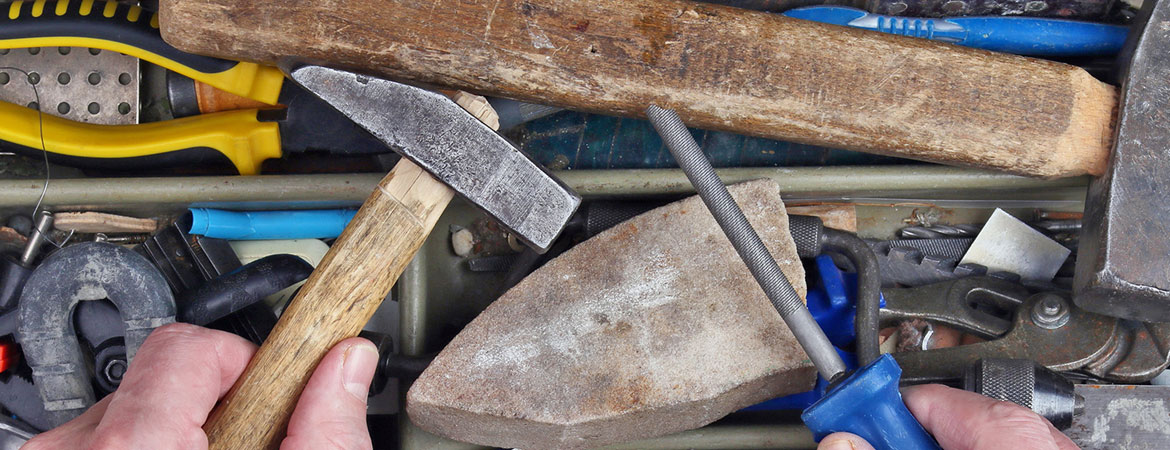
I. Failing to Know Your Limits and When to Call a Pro
The most intelligent DIYers are those who can honestly evaluate their own skills, time, and risk tolerance. The ultimate goal is a safe, functional, and code-compliant home, not proving you can do absolutely everything.
I.1. The Cost-Benefit Analysis: Weigh the true cost of DIY: tools, materials, multiple trips to the store, your valuable time, and the risk of error. For specialized, high-risk, or highly visible tasks (e.g., intricate hardwood floor installation, full kitchen electrical rewire, complex roof repair), the professional’s efficiency, warranty, and expertise almost always provide superior value.
I.2. The “Hybrid” Approach: A savvy homeowner can often break a project into phases, doing the demolition, prep work, and finishing (painting, trim) themselves, while hiring a licensed pro for the critical technical middle phase (e.g., plumbing rough-in, electrical wiring). This maximizes savings while ensuring core safety.
Conclusion
Embracing DIY home repair is a powerful way to connect with your living space, develop new skills, and manage household costs. However, true empowerment comes from knowing not just how to do something, but also when doing it yourself is prudent and when it is perilous. By religiously avoiding these nine critical blunders through thorough planning, respecting codes and safety, using proper techniques, and acknowledging the limits of your expertise you ensure your projects conclude as sources of pride, not regret. Let this guide be your framework for thoughtful, successful home improvement, where every turn of the screwdriver is informed, intentional, and contributes to the lasting safety, comfort, and value of your home. Remember, the wisest DIYers are those who know that calling a professional is not a sign of defeat, but a strategic decision for long-term success.