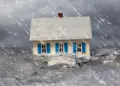
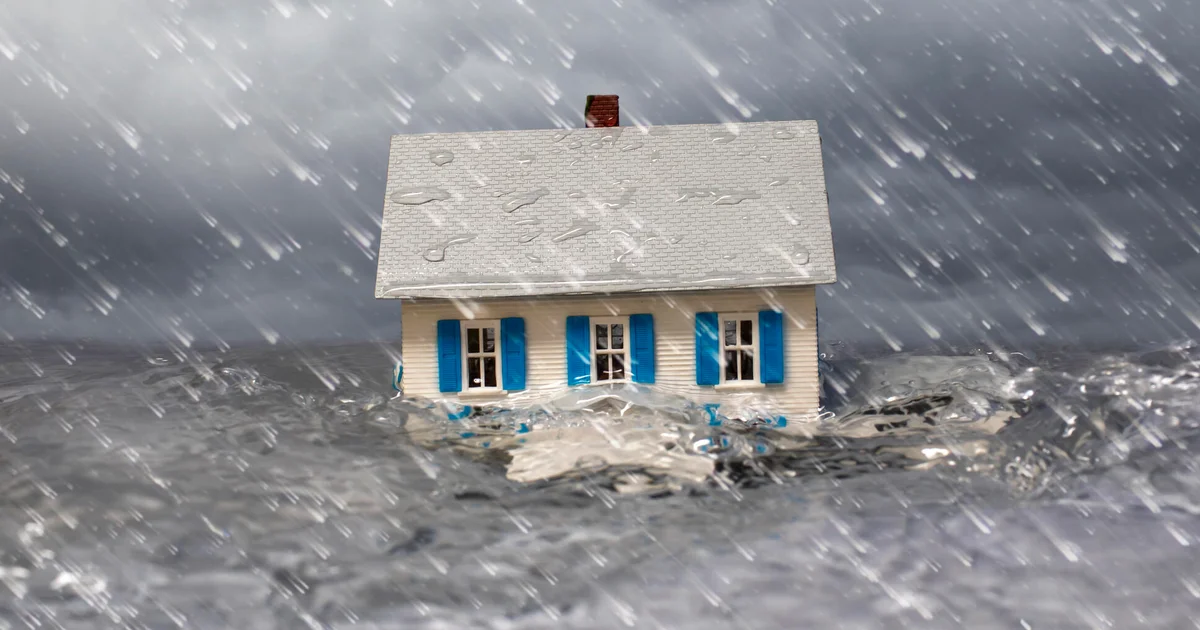
In an era defined by escalating climate volatility, the concept of home has transcended mere comfort and aesthetic appeal. Today, a home must serve as a robust sanctuary, capable of withstanding the intensifying barrage of extreme weather events from scorching heatwaves and prolonged droughts to catastrophic floods, supercharged storms, and devastating wildfires. The process of “climate-proofing” your residence is no longer a niche consideration for those in high-risk zones; it has become a fundamental aspect of responsible homeownership and financial prudence across the globe.
This comprehensive guide delves deep into the multifaceted approach required to fortify your dwelling efficiently. Beyond mere disaster mitigation, a well-executed climate-proofing strategy enhances daily living comfort, dramatically reduces utility expenditures, boosts property market value, and contributes to broader environmental sustainability goals. We will systematically explore a wide array of interventions, from immediate, low-cost sealing techniques to significant investments in renewable energy and resilient landscaping. Our journey is structured to provide a clear, actionable roadmap for homeowners seeking to transform their property into a durable, efficient, and secure asset for the future.
Section A: Foundational Principles of Home Climate Resilience
Before embarking on specific projects, it is crucial to understand the core principles that underpin effective climate-proofing. These tenets ensure that your efforts are cohesive, cost-effective, and tailored to your specific regional threats.
A. Holistic Risk Assessment: The first and most critical step is conducting a thorough evaluation of the primary climate threats facing your geographic location. This involves consulting local flood maps, historical weather data, and future climate projections. A home in the arid Southwest requires a vastly different defense strategy than one in the hurricane-prone Gulf Coast or the wildfire-sensitive foothills of California.
B. The Building Envelope as Priority: The “building envelope” the physical barrier between the conditioned interior and the exterior environment (walls, roof, windows, doors, and foundation) is your home’s first and most important line of defense. Strengthening this envelope is paramount for both thermal efficiency and protection against water and wind intrusion.
C. Layered Defense Strategy: Relying on a single solution is insufficient. Effective resilience is built in layers. For instance, flood defense may combine proper grading (first layer), foundation sealing (second layer), and installing a sump pump with a battery backup (third layer). This redundancy ensures that if one layer fails, others remain to protect your home.
D. Synergy Between Mitigation and Efficiency: The most rewarding climate-proofing measures are those that serve dual purposes. High-performance insulation not only keeps your home warmer in winter but also cooler during a heatwave, reducing strain on HVAC systems. This synergy translates into immediate utility savings while enhancing long-term resilience.
E. Smart Integration of Technology: Modern technology offers unprecedented tools for monitoring, managing, and automating your home’s resilience. From smart water leak detectors to grid-independent renewable energy systems, integrating technology can provide early warnings, automate responses, and ensure functionality during power outages.
 Section B: Targeted Fortifications Against Specific Climate Threats
Different weather extremes demand specialized defensive tactics. This section outlines targeted strategies for the most common severe climate challenges.
B. Defending Against Heatwaves and Intense Solar Radiation
Prolonged heat events strain electrical grids, increase cooling costs, and can make interiors uninhabitable.
-
Advanced Attic Insulation and Ventilation: Upgrade to spray foam or high-R-value batt insulation in the attic to create a critical thermal barrier. Coupled with solar-powered attic fans or ridge-and-soffit ventilation, this prevents heat from saturating your living spaces.
-
High-Performance Window Solutions: Install double or triple-pane low-emissivity (Low-E) windows. Low-E coatings reflect infrared heat, keeping interiors cooler. For existing windows, applying high-quality solar control window film is a highly effective and less expensive retrofit.
-
Cool Roofing Materials: Consider replacing dark, heat-absorbing asphalt shingles with “cool roofing” options. These include light-colored tiles, metal roofing with reflective pigments, or specialized reflective coatings that can lower roof surface temperature by up to 50°F.
-
Strategic Exterior Shading: Employ pergolas, awnings, or retractable shades on south and west-facing windows. Deciduous trees planted strategically provide shade in summer while allowing sunlight to penetrate and warm the home in winter.
B. Fortifying Against Flooding and Water Intrusion
Water damage is among the most destructive and costly consequences of extreme weather.
-
Landscape Grading and Drainage: Ensure the ground slopes away from your foundation for at least 10 feet. Install French drains, channel drains, or dry wells to divert groundwater. Keep gutters and downspouts meticulously clean, with extensions discharging water at least 5 feet from the foundation.
-
Foundation Waterproofing and Sealing: Apply waterproof sealant to basement walls. Install a interior perimeter drain (French drain) connected to a sump pump with a reliable battery backup system to handle power failures during storms.
-
Flood-Proof Barriers: For areas with frequent flooding, invest in deployable flood barriers or shields for doors and basement window wells. For new construction or major renovations, consider elevating critical utilities like HVAC systems, water heaters, and electrical panels above expected flood levels.
-
Water-Resistant Materials: In basements or ground floors, opt for water-resistant building materials such as closed-cell spray foam insulation, cement board, and ceramic or vinyl tile flooring instead of drywall and carpet.
B. Reinforcing for High Winds and Storm Damage
Hurricanes, tornadoes, and severe thunderstorms exert tremendous pressure on a home’s structure.
-
Roof-to-Wall Connection Reinforcement: This is the single most important structural retrofit for wind resistance. Using hurricane clips or straps to securely fasten the roof rafters and trusses to the wall top plates can prevent the roof from lifting off in high winds.
-
Impact-Resistant Openings: Upgrade windows, doors, and garage doors to impact-resistant models rated for high-velocity impact. As a more affordable alternative, install tested and approved storm shutters that can be deployed when threats loom.
-
Securing the External Profile: Regularly inspect and reinforce siding, roofing shingles, and soffits. Trim or remove dead or overhanging tree limbs that could become projectiles. Secure outdoor furniture, sheds, and decorative items that could be picked up by wind.
B. Creating a Wildfire-Defensible Space
For homes in the Wildland-Urban Interface (WUI), creating defensible space is a non-negotiable safety requirement.
-
Zoned Landscaping: Implement the “three-zone” model. Zone 1 (0-30 feet from structures): Use only non-flammable materials like stone, and keep plants well-irrigated, low-growing, and devoid of dead material. Zone 2 (30-100 feet): Create “fuel breaks” with spaced-out trees and low-growing ground cover. Zone 3 (100-200 feet): Reduce dense undergrowth to slow approaching fires.
-
Ember-Resistant Vents and Openings: Install 1/8-inch metal mesh screening over attic, soffit, and foundation vents to block wind-blown embers, which are a primary cause of home ignition.
-
Non-Combustible Materials: Use Class A fire-rated roofing materials like metal, clay tile, or asphalt shingles treated for fire resistance. Consider replacing wooden siding with stucco, fiber cement, or other non-combustible materials, especially on the home’s lower portions.
Section C: Core Upgrades for Whole-Home Efficiency and Autonomy
True resilience requires moving beyond mere defense to creating a home that can maintain core functions independently during extended disruptions.
C. Superior Insulation and Air Sealing: A staggering amount of energy is wasted through leaks and poor insulation. Conduct a professional energy audit, which often includes a blower door test, to identify hidden leaks. Seal gaps around windows, doors, electrical outlets, and plumbing penetrations with caulk and weatherstripping. Upgrading wall and attic insulation to modern standards (like spray foam or dense-pack cellulose) is one of the highest-return investments for both comfort and efficiency.
C. High-Efficiency, Resilient HVAC Systems: Replace aging furnaces and air conditioners with high-efficiency heat pumps. Modern air-source heat pumps provide extremely efficient heating and cooling and can be paired with smart thermostats for optimal management. For areas with poor air quality from wildfires, integrate HVAC systems with high-grade MERV 13 or HEPA filters to maintain indoor air safety.
C. Renewable Energy and Backup Power: Achieving energy autonomy is the pinnacle of climate-proofing.
-
Solar Photovoltaic (PV) Systems: Installing solar panels significantly reduces grid dependence and can power your home during daylight hours. When paired with battery storage, the benefits are transformative.
-
Battery Storage Systems (e.g., Tesla Powerwall, Generac PWRcell): These systems store excess solar energy or charge from the grid during off-peak hours. During a blackout, they automatically disconnect from the grid (forming a “microgrid”) and power essential home circuits for hours or even days.
-
Standby Generators: For longer-term outages, a permanently installed natural gas or propane standby generator can power the entire home. While they run on fossil fuels, they provide reliable, long-duration backup.
C. Water Security and Efficiency: Install a rainwater harvesting system with large storage tanks to provide non-potable water for irrigation and, with proper filtration, emergency drinking water. Replace landscaping with native, drought-tolerant xeriscaping to eliminate irrigation needs. Inside, install low-flow faucets, showerheads, and dual-flush toilets to conserve precious water resources.
Section D: Implementation, Financing, and Long-Term Strategy
A strategic plan ensures your efforts are phased, affordable, and effective.
D. Prioritization and Phasing: Begin with a professional audit (energy and/or resilience). Prioritize actions based on: 1) Severity of Local Threat, 2) Cost vs. Benefit, and 3) Ease of Implementation. A phased approach might look like: Year 1: Air sealing, insulation, and storm preparedness kit. Year 2: Roof hardening and impact-resistant windows. Year 3: Solar panel installation. Year 4: Battery backup system.
D. Navigating Financial Incentives: Numerous programs can drastically offset costs. Research federal tax credits for energy efficiency (e.g., insulation, windows, heat pumps) and renewable energy (solar, batteries). Many states, municipalities, and utilities offer additional rebates, grants, or low-interest loans for resilience upgrades. For high-risk areas, FEMA’s Hazard Mitigation Assistance grants may be available for projects like storm shelters or flood barriers.
D. Maintenance as a Critical Component: Resilience is not a “set-and-forget” project. Establish a rigorous maintenance calendar: clean gutters biannually, service HVAC systems annually, test sump pumps and backup generators monthly, inspect roof and seals yearly, and refresh fire-defensible zones seasonally.
Conclusion: Building a Legacy of Resilience
Climate-proofing your home is a proactive and empowering journey. It is an investment that pays continuous dividends in the form of reduced anxiety, lower monthly bills, increased comfort, and enhanced property value. More importantly, it safeguards your family’s safety and well-being against an increasingly unpredictable climate. By adopting the holistic, layered, and strategic approach outlined in this guide, you are doing more than upgrading a structure; you are future-proofing your sanctuary, ensuring it remains a source of security and stability for generations to come. The time to begin fortifying is not when the storm is on the horizon, but today, while the sun is shining and the skies are clear. Start your assessment, make your plan, and take the first step toward a truly resilient home.