
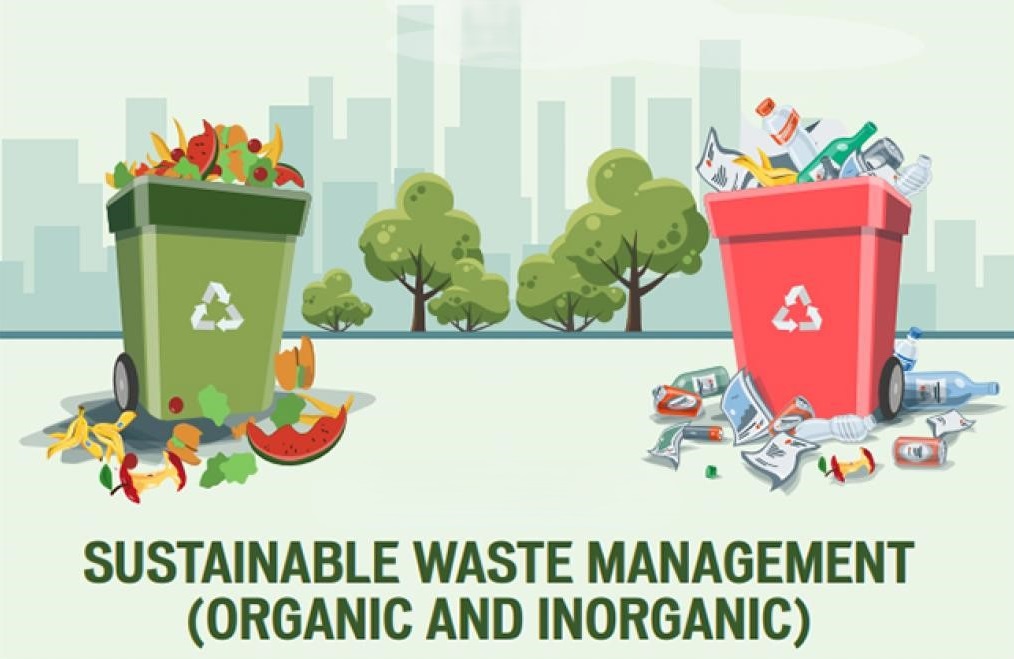
In an era defined by environmental awareness and climate responsibility, the way we manage waste within our homes has transformed from a mundane chore into a powerful statement of personal and planetary stewardship. The concept of sustainable home waste management is no longer a niche interest but a fundamental pillar of modern, conscious living. It represents a comprehensive approach that moves far beyond simply taking out the trash. Instead, it encompasses a systematic strategy to minimize what we discard, maximize what we reuse and recycle, and responsibly process what remains, thereby shrinking our ecological footprint and contributing to a healthier, more circular economy. This detailed guide will explore the multifaceted world of home waste solutions, offering actionable strategies, deeper insights into the why and how, and a roadmap to cultivating a truly sustainable household waste system.
A. Understanding the Waste Hierarchy: The Foundational Framework
At the core of all sustainable waste management lies the Waste Hierarchy, a prioritized model that guides decision-making from the most to the least desirable environmental outcome. This framework is essential for structuring an effective home strategy.
A. Prevent and Reduce (The Most Preferred Action): This is the first and most crucial line of defense. Prevention involves conscious consumption asking, “Do I really need this?” before any purchase. Reduction focuses on minimizing the volume and toxicity of waste generated. Practical applications include choosing products with minimal or no packaging, buying in bulk using reusable containers, opting for durable goods over disposable ones, and refusing single-use plastics like straws, cutlery, and shopping bags. Digitalizing bills and subscriptions also dramatically cuts paper waste.
B. Reuse and Repurpose: Before anything enters the recycling or trash stream, consider its potential for a second life. Reusing extends the lifecycle of products, conserving the resources and energy used in their initial production. This can be as simple as using glass jars for food storage, turning old t-shirts into cleaning rags, donating unwanted items, or purchasing second-hand goods. Upcycling, a creative form of repurposing, transforms waste materials into items of higher quality or value, such as crafting pallets into furniture.
C. Recycle Correctly: Recycling processes used materials into new products, saving raw materials and energy. However, its effectiveness hinges on proper sorting and cleaning. Homeowners must educate themselves on local recycling rules what plastics (by resin code), paper types, metals, and glass are accepted. Contamination from food residue or non-recyclable items can render entire batches unsalvageable. Key rules: always rinse containers, remove lids (unless instructed otherwise), and never “wish-cycle” (tossing in items hoping they’re recyclable).
D. Recover (Energy): For waste that cannot be recycled, recovery, typically through incineration with energy capture, is an option at the municipal level. While not ideal, it is preferable to landfilling as it reduces volume and can generate electricity. Home composting is a direct form of biological recovery, turning organic waste into valuable resources.
E. Dispose (The Last Resort): Landfilling is the least desirable option. Modern sanitary landfills are engineered to minimize leakage, but they still occupy land, can produce methane (a potent greenhouse gas), and represent a terminal loss of resources. The ultimate goal of sustainable home management is to send as little as possible to this final stage.
B. Implementing a Practical Home Waste Sorting System
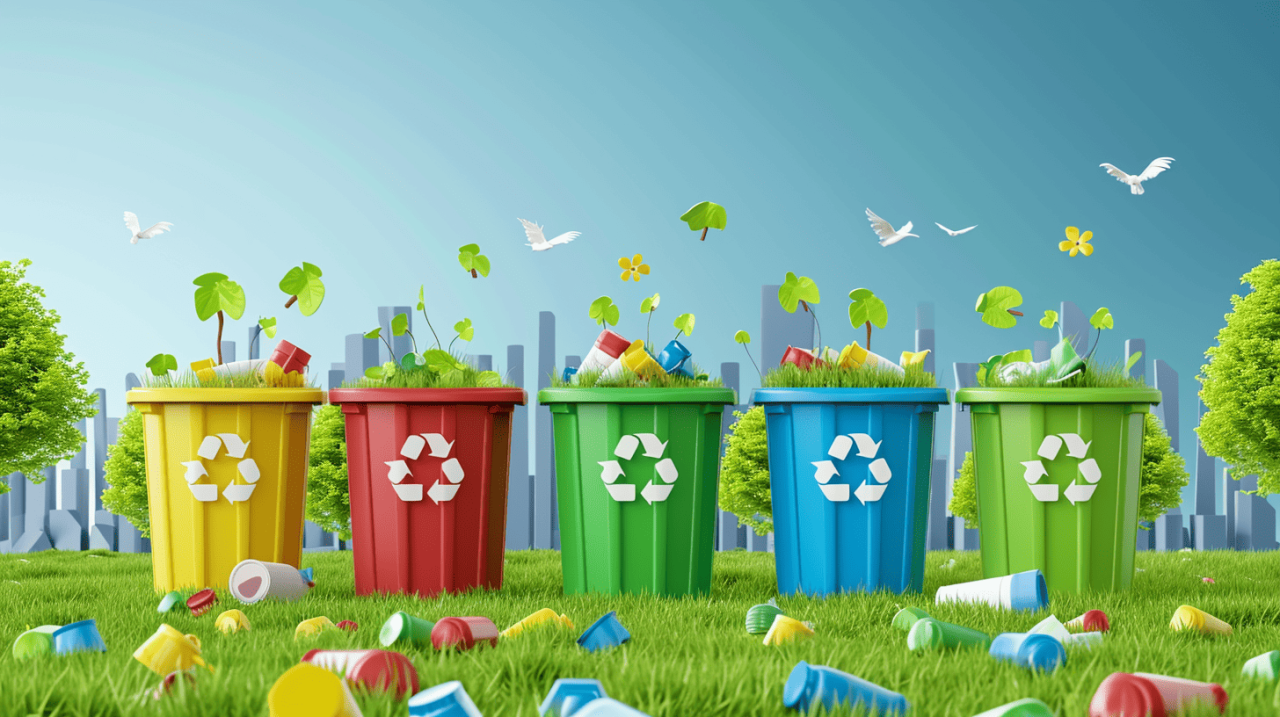
A functional sorting station is the physical engine of your waste management plan. Its design depends on your space and local recycling capabilities.
A. Station Setup: Designate clearly labeled bins in a convenient location, like the kitchen or garage. A common multi-bin system includes:
-
Compost Bin: For food scraps and certified compostable items.
-
Recycling Bin(s): Subdivided for paper/cardboard, plastics/metals, and glass if required locally.
-
Landfill Bin: For non-recyclable, non-compostable waste. Aim for this to be the smallest.
-
Special Handling Container: For batteries, light bulbs, electronics, and hazardous household waste (paint, chemicals, oils).
B. Bin Selection: Use different colored bins or prominent labels to avoid confusion. Opt for containers with tight-fitting lids to control odors and pests. Consider size carefully; your recycling bin should likely be larger than your landfill bin.
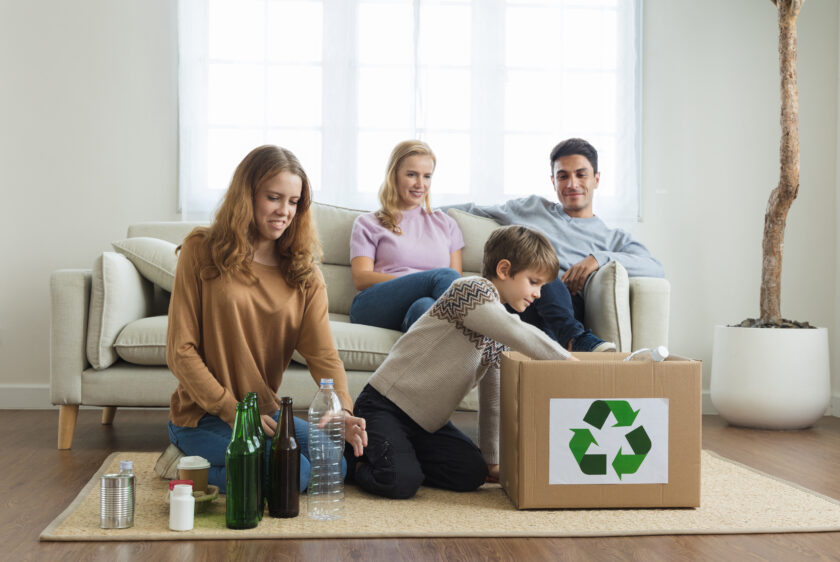
C. Family Education and Involvement: Consistency is key. Ensure every household member understands what goes where. Create a simple guide and post it near the bins. Involving children instills lifelong eco-conscious habits.
C. Mastering the Art of Home Composting
Composting is the cornerstone of managing organic waste, which can comprise over 30% of a household’s trash. It closes the nutrient loop, transforming waste into “black gold” for gardens.
A. The Science Simplified: Composting is the aerobic (oxygen-requiring) decomposition of organic matter by microorganisms. A successful process needs a balance of:
-
“Greens” (Nitrogen-rich): Fruit/vegetable scraps, coffee grounds, fresh grass clippings.
-
“Browns” (Carbon-rich): Dry leaves, cardboard, paper, straw, wood chips.
-
Water: Moisture should be like a wrung-out sponge.
-
Air: Regular turning introduces oxygen, speeding up the process and preventing foul odors.
B. Method Selection:
-
Outdoor Composting (Pile or Bin): Ideal for yards. Turned piles are fastest; enclosed bins are tidier and better for urban settings.
-
Tumbler Composters: Elevated barrels that are easy to spin, offering good aeration and pest resistance.
-
Vermicomposting (Worm Bins): Perfect for apartments or small spaces. Specialized worms (e.g., red wigglers) process scraps quickly in a contained bin, producing nutrient-dense worm castings.
-
Bokashi Fermentation: An anaerobic Japanese method that uses a special bran to ferment all food waste, including meat and dairy, in a sealed bucket. The pre-compost output is then buried or added to a traditional compost pile.
C. Do’s and Don’ts:
-
DO Compost: Vegetable peels, eggshells, tea bags, yard trimmings, shredded newspaper.
-
DON’T Compost: Meat, bones, dairy, fatty foods, pet waste, diseased plants, or plastics. These can attract pests, cause odors, or introduce pathogens.
D. Advanced Strategies for Waste Reduction and Recycling
To elevate your system, delve into these focused areas that present significant challenges and opportunities.
A. Conquering Plastic Waste: The global plastic crisis demands specific attention.
-
Audit Your Plastic: For one week, collect all plastic waste. This reveals your biggest sources (e.g., snack packaging, beverage bottles).
-
Find Alternatives: Switch to bar soaps/shampoos, use beeswax wraps instead of plastic cling film, choose concentrates for cleaning products, and carry a reusable water bottle, coffee cup, and shopping bags.
-
Understand Recycling Codes: Learn which resin codes (#1 PET, #2 HDPE, #5 PP) are commonly recycled in your area. Films, bags, and #3-7 plastics are often problematic.
B. Managing Hazardous Household Waste (HHW): These items must never enter regular trash or drains due to their toxic nature.
-
Common HHW: Paints, solvents, batteries, fluorescent bulbs, pesticides, electronics (e-waste), old medications, and motor oil.
-
Disposal Protocol: Store safely in original containers. Utilize community hazardous waste collection days, drop-off centers, or pharmacy take-back programs for drugs. Many retailers offer battery and bulb recycling.
C. Embracing the Circular Mindset: Move from a linear “take-make-dispose” model to a circular one.
-
Repair and Maintain: Fix appliances, mend clothing, and resole shoes.
-
Borrow and Share: Utilize tool libraries, share subscriptions, and swap items with neighbors.
-
Choose for Longevity: Invest in high-quality, repairable products. Support companies with take-back or refill programs.
E. The Tangible Benefits: Why Your Effort Matters
The impact of diligent home waste management ripples outward, delivering profound benefits that justify the initial effort.
A. Direct Environmental Impact: It conserves finite natural resources, reduces energy consumption and greenhouse gas emissions from extraction, manufacturing, and landfill decomposition. It minimizes soil and water pollution from landfills and reduces the demand for new landfills and incinerators.
B. Economic Advantages: Reduction and reuse save money on groceries and goods. Composting eliminates the need to buy commercial fertilizers and soil amendments. Efficient recycling supports a growing green economy, creating jobs in collection, processing, and remanufacturing.
C. Social and Health Benefits: It fosters community engagement through sharing economies and local initiatives. Proper disposal of hazardous materials protects sanitation workers and prevents toxins from leaching into communities. It cultivates a mindset of responsibility and intentionality, contributing to overall well-being.
F. Overcoming Common Challenges and Maintaining Momentum
Adopting new habits comes with hurdles. Anticipate and plan for these common challenges.
A. Space Constraints in Apartments: Utilize stackable or under-sink bins. Explore vermicomposting or Bokashi for food waste. Find a community garden that accepts compost. Use municipal recycling services diligently.
B. Time and Convenience Concerns: The system, once established, becomes routine. Batch tasks like a weekly recycling run or compost turn. Involve the whole family to share the responsibility.
C. Dealing with Non-Recyclable Packaging: Use your consumer voice. Contact manufacturers to express a preference for recyclable or minimal packaging. Support brands with sustainable packaging policies. Where possible, choose alternatives.
D. Avoiding Burnout and “Eco-Guilt”: Progress, not perfection, is the goal. Start with one change perhaps composting or eliminating single-use water bottles. Celebrate your successes. Remember that systemic change is also necessary, so your personal actions are part of a larger, essential movement.
Conclusion
Sustainable home waste management is a dynamic and deeply rewarding practice. It is a tangible expression of care for your immediate living environment, your community’s health, and the future of the planet. By internalizing the waste hierarchy, establishing an efficient sorting system, mastering composting, and adopting a circular mindset, you transform your household from a passive endpoint of consumption into an active node of resourcefulness and regeneration. The journey begins with a single, conscious decision to sort, reduce, and rethink. Each step forward, no matter how small, contributes to a collective wave of change, steering us toward a more sustainable and resilient world for generations to come. Start today, refine tomorrow, and let your home be a model of practical environmental solutions.