
The concept of a “home” is universal, yet its physical manifestation is one of the most diverse and culturally rich expressions of human civilization. Across continents and climates, the architectural blueprint of a dwelling is not merely a matter of shelter but a profound narrative woven from threads of history, environment, social norms, and spiritual belief. This deep dive into global residential architecture moves beyond superficial aesthetics to explore the foundational philosophies that shape how communities worldwide build, inhabit, and cherish their personal spaces. Understanding these differences offers more than design inspiration; it provides a lens into the values, ingenuity, and adaptive spirit of cultures across the planet.
The intrinsic link between culture and construction is undeniable. Long before globalization, homes were born from an intimate dialogue with the local landscape. The availability of materials be it bamboo, clay, stone, ice, or timber dictated structural possibilities. Simultaneously, the climate imposed its demands, steering designs toward natural heating, cooling, or protection from specific elements. Yet, the most fascinating layer is the socio-cultural imprint: concepts of family structure, privacy, community interaction, and sacred practices that are literally built into the walls. This article embarks on a comprehensive journey, comparing and contrasting iconic and vernacular home designs from every corner of the globe, examining their evolution, and assessing their place in our contemporary world.
A. Philosophical Foundations: How Culture Dictates Form
To appreciate the vast array of home designs, one must first understand the underlying cultural priorities that dictate their form.
A.1. Individualism vs. Collectivism: Western designs, particularly in North America and parts of Europe, often emphasize individual nuclear families, leading to detached single-family homes with clearly defined private properties. In contrast, many Asian, African, and Latin American cultures traditionally favor extended family living. This is reflected in compounds like the Chinese Siheyuan or the African homestead, which feature multiple structures around a shared courtyard, facilitating intergenerational connection and communal life.
A.2. Privacy Paradigms: The notion of privacy varies dramatically. The Dutch urban house, with its large street-facing windows, embraces a certain transparency, while traditional Arabic Riads and Moroccan homes turn completely inward, presenting blank exterior walls to the world to shield family life, focusing all richness on an interior courtyard or garden a private oasis.
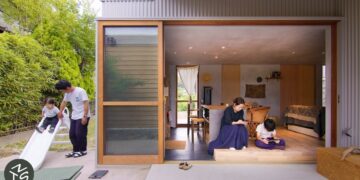
A.3. Harmony with Nature: Many indigenous philosophies view humans as an integral part of the natural world, not separate from it. This is evident in the Japanese principle of “Wa” (harmony), where homes like Minka (folk houses) use natural materials that age gracefully and employ sliding screens (shoji and fusuma) to blur the boundary between inside and outside. Similarly, many Native American hogans are oriented according to spiritual beliefs and built with respect for the surrounding earth.
A.4. Spiritual and Symbolic Integration: The home is often a microcosm of the cosmos or a vessel for spiritual protection. A traditional Hindu home in India might be designed according to Vastu Shastra, aligning spaces with cosmic energies. A Kyrgyz yurt’s circular shape represents the universe, and its crown (shangrak) is a revered family symbol. These elements are as crucial as the physical roof overhead.
B. Regional Architectural Masterpieces: A Continent-by-Continent Survey
B.1. Asia: Tradition, Symbolism, and Compact Living
* Japan: The traditional Minka showcases post-and-beam wooden construction, with thatched or tiled roofs designed to shed heavy snow. The Washitsu (tatami mat room) is a multifunctional space defining scale and function. The minimalist aesthetic, grounded in Zen Buddhism, prioritizes flexibility, natural light, and the beauty of raw, organic materials.
* China: The classic Siheyuan ( courtyard house) is a Confucian ideal made manifest. Its symmetrical layout surrounding a square courtyard reflects hierarchical family order, with rooms for different generations and genders arranged according to status. The enclosed form provides security, climate control, and a private communal space for the family unit.
* Indonesia (Balinese): The Bale complex is a walled compound organized around a family temple. Separate pavilions (bales) for sleeping, cooking, and socializing are spread across a garden, fostering a seamless indoor-outdoor lifestyle deeply connected to Hindu-Balinese rituals and the tropical environment.
* Middle East (Persian & Arabic): The Windcatcher (Badgir) is a brilliant climatic innovation, a tower that captures cooler breezes and channels them into the home. Combined with thick adobe walls and interior water features, it creates natural air conditioning. The Riad, centered on an interior garden with a fountain, provides a secluded paradise, emphasizing introspection and family privacy in accordance with cultural norms.
B.2. Europe: Regional Diversity from Timber to Stone
* Nordic Countries: The Scandinavian Timber-frame house, often painted in deep red or yellow (Falu rödfarg), is designed for extreme winters. Steeply pitched roofs shed snow, large windows maximize limited daylight, and interiors prioritize hygge—coziness through warm textiles, wood, and efficient, compact layouts.
* Mediterranean: Spanish Cortijos, Italian Masseria, and Greek island homes share common traits: thick whitewashed stone walls to combat heat, small windows, and tile floors. Arcaded patios, shaded terraces, and internal courtyards are essential living spaces, extending the home into the landscape for most of the year.
* United Kingdom & France: The iconic Thatched Cottage and Half-timbered (Fachwerk) house represent vernacular styles using locally abundant materials—straw, wood, wattle and daub, and stone. Their designs are organic growths from the regional landscape, featuring low ceilings for warmth and charming, irregular forms.
B.3. Africa: Ingenuity and Community-Centric Designs
* West Africa: The Compound House of the Ashanti or Yoruba peoples is a social architecture masterpiece. Multiple rectangular rooms are arranged around open courtyards, housing an extended family. Decorated with symbolic relief murals, these structures are made from laterite clay, providing excellent thermal mass in a hot climate.
* North Africa: The Ksar (fortified village) and individual Kasbahs in Morocco are earthen clay castles, often rising several stories. Their labyrinthine passages and high walls are designed for communal defense against desert raiders and the searing heat, creating cool, shaded communal environments.
* Southern Africa: The Ndebele and Zulu homesteads (Umuzi) traditionally feature beehive-shaped huts (iQukwane) made from a framework of saplings covered with thatch and grass. The layout is circular, with a central cattle kraal, symbolizing the economic and spiritual centrality of livestock.
B.4. The Americas: Indigenous Wisdom and Colonial Fusion
* North America (Native): The Pueblo adobe structures of the Southwest are multi-story, terraced communities built into cliffsides for temperature regulation and defense. The Plains Tipi, a portable masterpiece of bison hide and wooden poles, is perfectly adapted to a nomadic lifestyle, easily assembled, disassembled, and ventilated.
* Latin America: The Mexican Hacienda is a colonial-era design centered on a large, productive courtyard. Its robust walls, arcaded corridors (portales), and clay tile roofs speak to a blend of Spanish influence and indigenous adaptation. In the Amazon, Maloca longhouses, built by indigenous tribes, shelter multiple families under one enormous thatched roof, embodying communal living.
B.5. Oceania: Adaptation to Island and Oceanic Life
* Pacific Islands: The Fale (Samoa) and Bure (Fiji) are open-sided pavilions with thatched roofs supported by wooden posts. Without walls, they allow maximum ventilation and community visibility, reflecting a social culture with less emphasis on material privacy and more on communal belonging and connection to the sea and breeze.
* Australia (Indigenous): The Aboriginal Humpy or Shelter is a temporary structure made from bark, branches, and leaves. Its impermanence reflects a deep nomadic connection to the land (Country*), where the environment itself is the home, and structures are built as needed for specific seasons or ceremonial purposes.
C. The Modern Crossroads: Preservation, Adaptation, and Global Trends
In our interconnected 21st century, traditional home designs face challenges and opportunities. Urbanization, climate change, and global material availability push architectures toward homogenization. However, a powerful counter-movement is gaining traction.
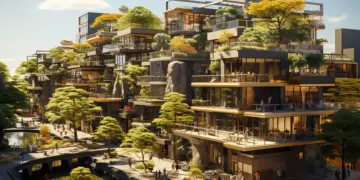
C.1. Sustainable Revival: Architects are increasingly looking back to vernacular wisdom for eco-friendly solutions. The passive cooling of windcatchers, the thermal mass of adobe, the natural ventilation of open fales, and the solar orientation of ancient pueblos are being studied and integrated into modern sustainable buildings. This “bioclimatic architecture” uses cultural heritage as a blueprint for a greener future.
C.2. Fusion and Hybridization: Contemporary “global” design often involves fusion. A house in California might incorporate Japanese shoji screens, a Moroccan zellige tile accent wall, and an open-plan concept inspired by Pacific fales. This creates culturally-rich, personalized spaces that reflect a globalized homeowner’s identity.
C.3. The Challenge of Preservation: As younger generations move to cities, many traditional building techniques risk disappearing. UNESCO and local NGOs are working to preserve not just iconic buildings but the artisanal skills thatching, adobe brick-making, intricate wood joining that keep these cultural forms alive, often through heritage tourism or adaptive reuse projects.
C.4. Technology and Tradition: New technologies offer tools for preservation and adaptation. 3D printing is being explored to recreate ornate architectural elements. Advanced insulation materials can be combined with traditional aesthetics. Smart home systems can be discreetly integrated into historical structures to improve efficiency without compromising their cultural integrity.
D. Practical Insights for Homeowners and Design Enthusiasts
Appreciating global home design is not just academic; it offers practical takeaways for anyone building, renovating, or simply seeking to enrich their living space.
D.1. Focus on Climatic Intelligence: Before defaulting to standard solutions, analyze your local climate. Can you incorporate passive solar heating, cross-ventilation, or thermal mass principles from traditional designs suited to similar environments?
D.2. Prioritize Meaningful Materials: Choose materials that tell a story, are locally sourced, or have a lower environmental footprint. The tactile warmth of wood, the coolness of stone, or the texture of handmade tiles can connect a home to a broader cultural and ecological narrative.
D.3. Design for Your Lifestyle: Question the default layout. Do you need separate, closed-off rooms, or would an open plan or dedicated multi-generational spaces better serve your family’s actual social structure? Let daily rituals, not just real estate norms, dictate your floor plan.
D.4. Incorporate Cultural Elements Respectfully: Borrow design ideas with understanding and respect, avoiding superficial “theme-park” appropriation. Use motifs, colors, or architectural elements in a way that honors their origin and integrates authentically into your overall design language.
Conclusion: The Enduring Legacy of the Cultural Home
From the snow-swept minkas of Japan to the sun-baked riads of Morocco, from the communal malocas of the Amazon to the resilient pueblos of the Southwest, cultural home designs represent humanity’s collective genius. They are evolving libraries of practical knowledge and philosophical insight. As we move toward an increasingly digital and global future, these architectural traditions remind us of the enduring importance of place, community, and harmony with our environment. The future of residential design may not lie in slavishly replicating the past, but in mindfully weaving its timeless lessons sustainability, adaptability, and profound cultural meaning into the fabric of our modern lives. By doing so, we create homes that are not just structures, but true sanctuaries for the human spirit, rooted in the rich soil of global heritage.