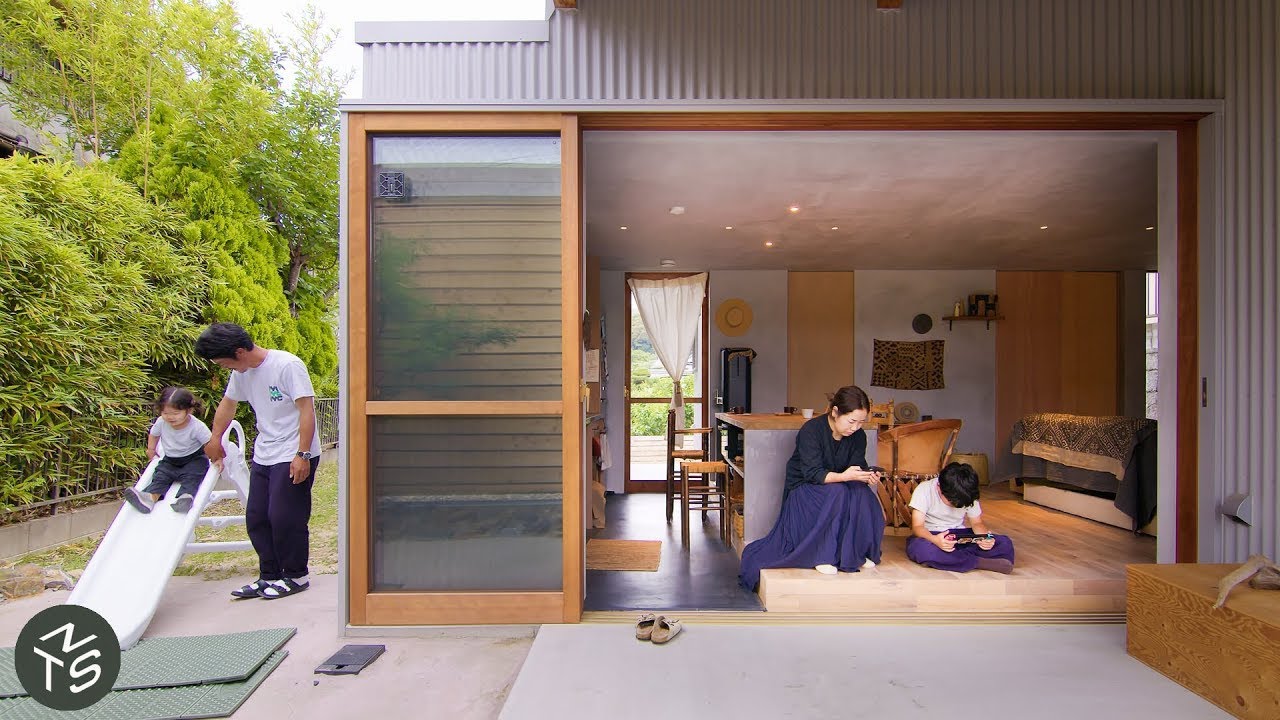
In the heart of the world’s most densely populated urban landscapes, a quiet architectural revolution is unfolding. Japan, a nation long celebrated for its meticulous design philosophy and efficient use of limited resources, has pioneered a groundbreaking approach to urban living: the micro-home. These compact dwellings, often no larger than a parking space, are not merely a symptom of astronomical real estate prices but a deliberate, ingenious solution to the relentless pressures of urban density. Far from being cramped, dark boxes, these homes represent a fusion of cutting-edge design, cultural pragmatism, and technological innovation, offering a compelling blueprint for sustainable urban futures worldwide. This comprehensive exploration delves into the phenomenon of Japan’s micro-homes, examining the driving forces behind their rise, the architectural principles that make them livable, their profound societal implications, and the lessons they hold for global cities grappling with similar challenges of space, affordability, and community.
Chapter 1: The Genesis of Compact Living – Why Micro-Homes Flourish in Japan
The proliferation of micro-homes, known locally as Kyosho Jutaku (ultra-small housing), is deeply rooted in a complex interplay of geographic, economic, and cultural factors.
A. Geographic and Demographic Imperatives
Japan is a mountainous archipelago with limited flat, habitable land, particularly around economic powerhouses like Tokyo, Osaka, and Yokohama. Over 90% of the population is concentrated in urban areas, creating intense competition for space. This fundamental geographic constraint has historically forced a culture of spatial economy, making the concept of living small a necessity rather than a choice.
B. Economic Catalysts
Skyrocketing land prices in city centers place conventional homeownership out of reach for many young professionals, singles, and elderly citizens. Micro-homes offer a critical entry point into the property market, allowing individuals to own a strategically located asset without incurring crippling debt. Furthermore, they present a lucrative model for developers, enabling them to utilize odd, narrow, or leftover “scrap” plots of land often between larger buildings or on irregular corners that were previously considered commercially unviable.
C. Cultural and Philosophical Underpinnings
Japanese aesthetics and living philosophies seamlessly align with micro-living. The concepts of ma (the mindful use of negative space), seiri seiton (order and organization), and mottainai (a regret toward waste) cultivate a societal appreciation for simplicity and intentionality. The traditional Japanese home itself, with its flexible, multi-purpose rooms and fluid indoor-outdoor connections, provides a historical precedent for adaptable living. The micro-home is, in many ways, a modern, urban evolution of this timeless ethos.
D. Shifting Social Structures
Japan’s aging population and declining household size mean there are more singles and elderly couples than ever before. The nuclear family model is no longer the sole target for housing. Micro-homes cater perfectly to these growing demographics, providing comfortable, low-maintenance, and secure living environments tailored to smaller household units.
Chapter 2: Architectural Alchemy – The Design Principles That Make the Impossible Livable
The true genius of Japan’s micro-homes lies not in their minuscule footprint, but in the architectural brilliance that transforms them into functional, light-filled, and psychologically comfortable sanctuaries. This is where designers perform veritable alchemy.
A. Vertical Integration and Multi-Functionality
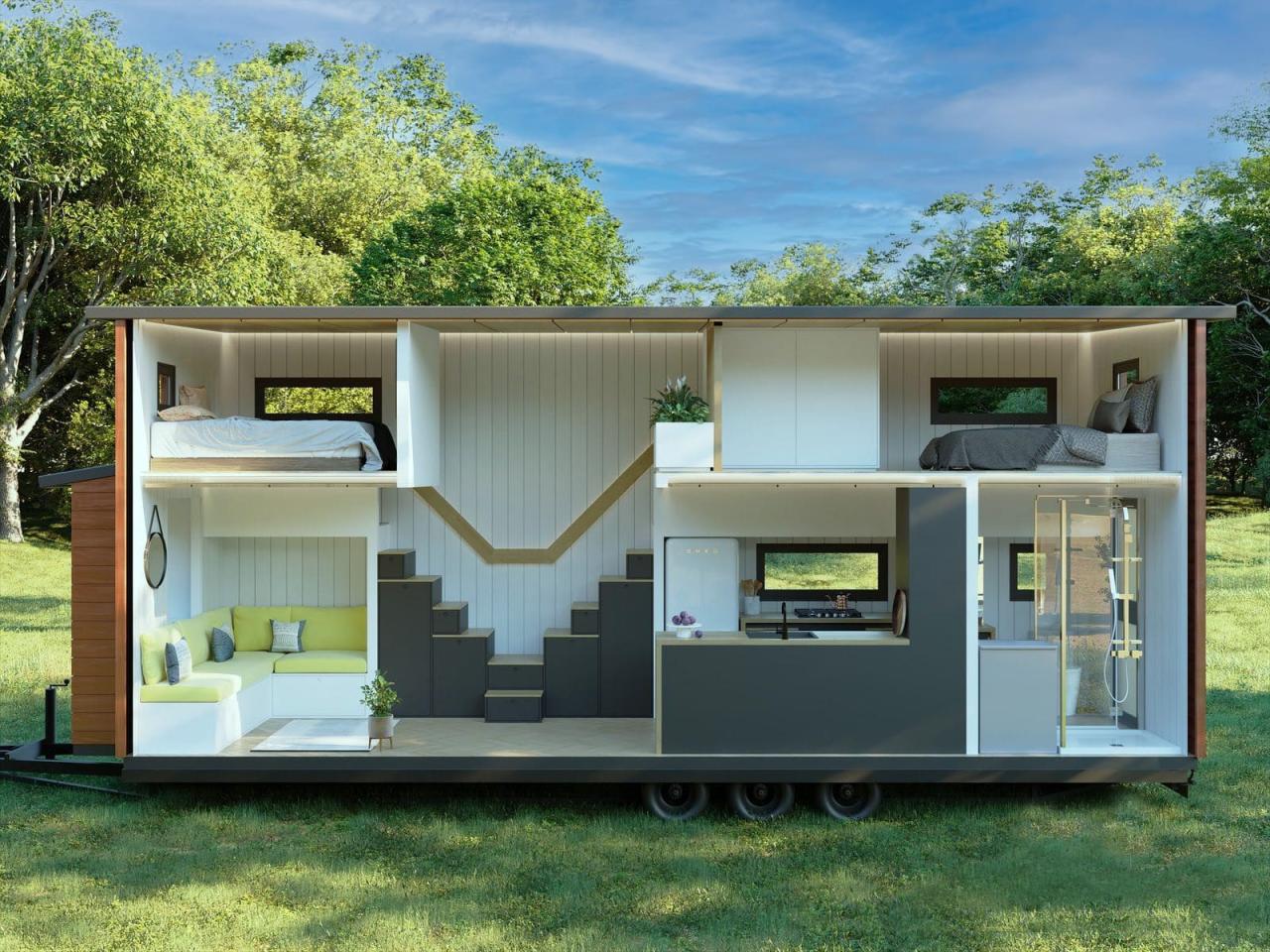
When square footage is scarce, the third dimension becomes the most valuable asset. High ceilings, often coupled with lofted sleeping areas, create a sense of volume. Furniture is custom-designed to be transformative: stairs double as storage drawers, tables fold into walls, and beds retract to reveal living areas. Every element serves at least two purposes, eliminating clutter and redundancy.
B. The Strategic Manipulation of Light and Perception
A sense of spaciousness is meticulously engineered. Large windows, skylights, and light wells flood interiors with natural light, blurring boundaries and making spaces feel larger. The strategic use of glass blocks or translucent partitions provides privacy without sacrificing light penetration. Clever visual tricks, such as continuous flooring, minimalistic color palettes (often white and wood tones), and the elimination of visual barriers, enhance the perception of openness.
C. Ingenious Storage as Architecture
Storage is not added; it is woven into the very fabric of the building. Walls become cabinetry, floors have lift-up panels, and spaces under stairs are fully utilized. This “storage everywhere, yet nowhere seen” approach ensures that belongings have a dedicated place, maintaining the clean, serene aesthetic essential for mental well-being in a small space.
D. Blurring the Boundary: Indoor-Outdoor Connection
Many micro-homes extend their living area by creating a seamless flow to the outside, no matter how small the plot. Pocket gardens, deep overhanging eaves that create covered terraces, or large sliding doors that open a wall to a private courtyard effectively borrow space from the outdoors, making the home feel part of a larger environment.
E. Advanced Materials and Smart Home Technology
Innovation in materials allows for thinner yet stronger walls, maximizing interior dimensions. Integrated smart home systems control lighting, climate, and security with minimal physical hardware, reducing clutter. Compact, high-efficiency appliances are specially designed for the micro-home market, ensuring all modern conveniences are available without monopolizing space.
Chapter 3: Beyond the Individual Dwelling – The Broader Urban and Societal Impact
The impact of the micro-home movement extends far beyond the walls of individual units, influencing urban morphology, sustainability, and social dynamics.
A. Urban Infill and Activated Streetscapes
By filling awkward, leftover plots, micro-homes contribute to urban infill, increasing population density in a granular, distributed manner. This creates more vibrant, 24-hour neighborhoods with eyes on the street, enhancing safety and community vitality. It prevents urban sprawl and makes efficient use of existing infrastructure like roads, sewers, and public transport.
B. A Model for Sustainable Urban Development
Micro-homes have a significantly smaller carbon footprint. They require fewer materials to build, less energy to heat and cool, and discourage excessive consumption by their very nature. Their promotion of walkable, transit-oriented lifestyles reduces reliance on private vehicles. Collectively, they represent a powerful model for reducing a city’s overall environmental impact.
C. Affordability and Financial Innovation
They democratize property ownership. Additionally, their low maintenance and utility costs free up income for other pursuits. The financial model has also spurred innovation, with some developers offering rental-purchase schemes tailored to these unique assets.
D. Addressing Demographic Challenges
For the elderly, micro-homes located in established communities offer independence and security without the burden of maintaining a large family home. For young people, they provide an affordable foothold in the city, potentially slowing the depopulation of urban cores. This flexibility helps cities adapt to demographic shifts more resiliently.
E. Potential Social Challenges and Considerations
The model is not without critique. There are concerns about long-term livability for growing families, the potential for developer exploitation of desperate buyers, and ensuring adequate access to communal green space. The success of micro-housing depends on complementary public infrastructure excellent parks, community centers, libraries, and efficient public transit to provide the “living room” the home cannot.
Chapter 4: The Global Relevance – Lessons for Cities Worldwide
From New York and London to Singapore and Hong Kong, megacities worldwide face parallel crises of affordability, density, and sustainability. Japan’s micro-home experiment offers a repository of transferable lessons.
A. Rethinking Zoning and Building Codes
Many Western cities have strict minimum lot size and dwelling unit size regulations that legally prohibit micro-homes. Advocacy is growing to reform these codes to allow for more diverse and affordable housing typologies, following Japan’s more flexible regulatory environment.
B. Design-Led Problem Solving
The core lesson is that scarcity can breed radical innovation. It challenges architects and planners globally to prioritize design quality over mere square footage, proving that well-designed small spaces can outperform poorly designed large ones in livability and satisfaction.
C. Cultivating a Culture of Conscious Consumption
The global movement toward minimalism and sustainable living finds a physical manifestation in the micro-home. It prompts a societal conversation about how much space we truly need and the relationship between our possessions and our well-being.
D. A Component, Not a Panacea
It is crucial to understand that micro-homes are one tool in a diverse housing toolkit. They are ideally suited for singles, couples, and empty-nesters in urban cores but are not a universal replacement for family housing. Their greatest potential is realized when integrated into a mixed-income, mixed-housing-type neighborhood.
Conclusion: The Future of Urban Living in Miniature
Japan’s micro-homes are far more than a quirky architectural niche; they are a profound and sophisticated response to the defining urban challenges of the 21st century. They demonstrate that high-density living need not equate to a diminished quality of life. Through masterful design, these compact dwellings transform limitations into opportunities, fostering a lifestyle that is financially liberating, environmentally responsible, and deeply intentional. They embody a philosophy where every square centimeter is valued, every element has purpose, and the focus shifts from owning space to curating experience. As cities around the world continue to grow vertically and densify, the principles pioneered in the narrow lanes of Tokyo and Kyoto of efficiency, simplicity, and grace under spatial constraint will become increasingly vital. Japan’s micro-homes offer a powerful vision: a future where urban living is not about having more, but about living better with less, in spaces that are not just shelters, but masterfully crafted homes for the soul.