
In the heart of our bustling metropolitan landscapes, where steel, glass, and concrete dominate the horizon, a profound disconnect from the natural world is taking a silent toll on human health and well-being. Urban apartment dwellers often find themselves ensnared in a cycle of artificial lighting, synthetic materials, and limited green vistas. This environmental alienation has been linked to increased stress, anxiety, diminished creativity, and a pervasive sense of fatigue a phenomenon often termed “nature deficit disorder.” However, a transformative architectural and design philosophy is challenging this status quo, offering a powerful antidote by weaving the essence of nature into the very fabric of our living spaces. This philosophy is known as biophilic design.
Biophilic design transcends the simple act of placing a potted plant on a windowsill. It is a sophisticated, evidence-based approach that seeks to satisfy humanity’s innate, genetically encoded affinity for natural systems and processes. By intentionally integrating direct and indirect experiences of nature into the built environment, biophilic design creates habitats that are not only aesthetically serene but also fundamentally restorative. For urban apartments, often constrained by square footage and lacking private outdoor areas, this approach is not a mere luxury but a critical strategy for crafting sanctuaries of health, productivity, and tranquility amidst the urban chaos. This comprehensive exploration delves into the core principles, multifaceted benefits, and practical implementation strategies of biophilic design, demonstrating how it is revolutionizing the concept of urban living.
Understanding the Core Principles of Biophilic Design
The efficacy of biophilic design stems from its structured framework, which is built upon several interconnected principles. These principles guide the creation of spaces that foster a deep and lasting connection with nature.
A. Direct Experience of Nature
This involves the tangible incorporation of living elements and natural phenomena into the built environment. It is the most explicit form of connection.
-
Light and Air: Maximizing dynamic and diffuse natural light, ensuring adequate ventilation, and providing access to fresh air and thermal variability.
-
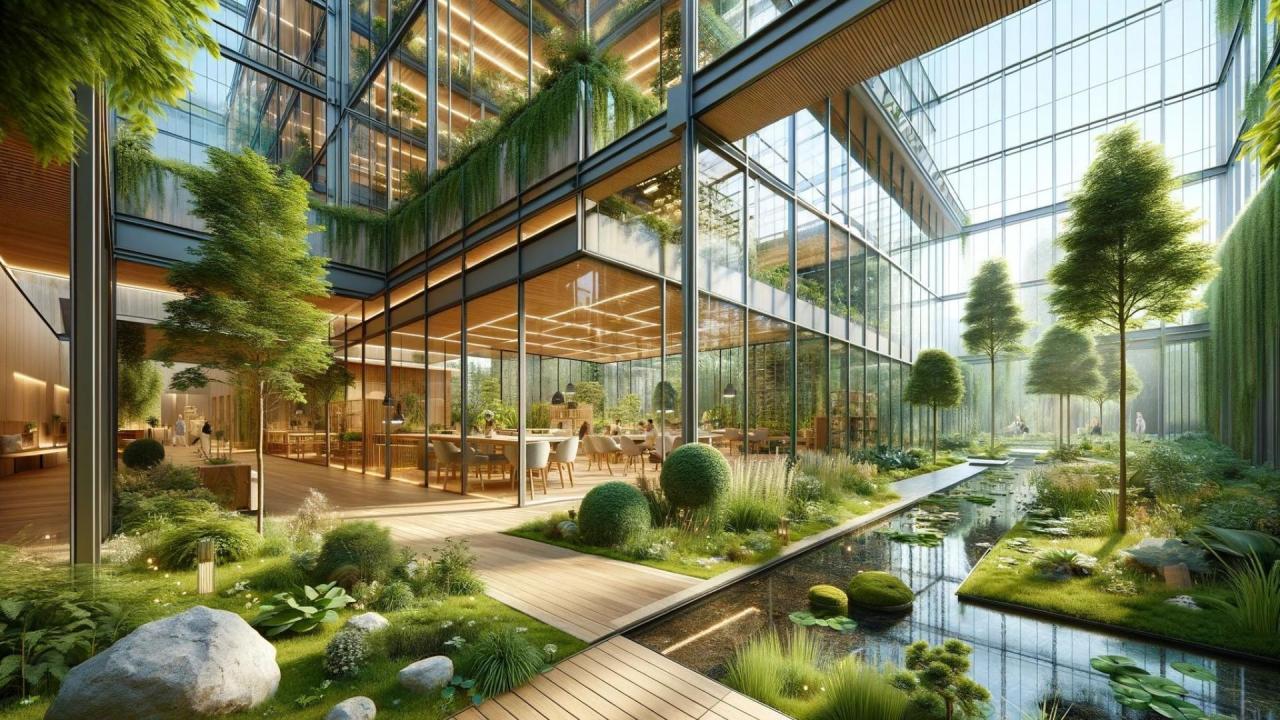
Plants: Integrating living vegetation, from vertical green walls and indoor gardens to potted trees and herb planters.
-
Water: Incorporating elements that provide sight, sound, and touch access to water, such as indoor tabletop fountains, aquariums, or reflecting basins.
-
Animals: While more challenging in apartments, this can include bird feeders on balconies or aquariums.
-
Weather: Allowing occupants to be aware of natural rhythms through views of the sky, openable windows to feel breezes, or sheltered balconies to experience outdoor conditions.

B. Indirect Experience of Nature
This principle involves evoking nature through representations, materials, and spatial configurations that mimic natural ecosystems.
-
Natural Materials: Using wood, stone, bamboo, cork, leather, and natural fibers (wool, jute, linen) that retain their inherent textures, patterns, and variations.
-
Natural Colors and Shapes: Employing a color palette found in nature earthy tones, greens, blues, and browns and favoring organic, non-linear forms over harsh geometric shapes.
-
Simulated Natural Light and Air: Utilizing lighting systems that mimic the color temperature and intensity of daylight, and advanced HVAC systems that replicate natural airflow patterns.
-
Naturalistic Art and Imagery: Displaying artwork, photography, or murals depicting landscapes, natural scenes, or organic patterns.
-
Information Richness: Creating spaces with sensory complexity that parallels nature, such as a feature wall with intricate wood grain or a stone surface with fossil details.
C. Experience of Space and Place
This pertains to the spatial aspects of design that evoke feelings of safety, exploration, and prospect, much like in natural environments.
-
Prospect and Refuge: Designing areas that offer unobstructed views (prospect) over a space while also creating smaller, enclosed, and secure nooks (refuge), like a reading corner nestled beside a window with a broad view.
-
Mystery: The promise of more information, achieved through partially obscured views, winding pathways, or layered spaces that entice exploration, even within an apartment’s layout.
-
Organized Complexity: Balancing order and variety in a way that mimics the hierarchical, structured yet diverse patterns found in nature, avoiding both monotony and visual chaos.
The Multifaceted Benefits: Why Biophilic Design is Essential for Urban Apartments
The implementation of biophilic design is backed by a growing body of scientific research from fields such as environmental psychology, neuroscience, and building science. The benefits extend far beyond aesthetics, delivering measurable improvements to physical health, mental cognition, and emotional well-being.
A. Enhanced Mental Health and Cognitive Function
Urban life is synonymous with cognitive overload and chronic stress. Biophilic elements act as a natural buffer.
-
Stress Reduction: Studies using metrics like heart rate, blood pressure, and cortisol levels consistently show that exposure to natural elements indoors rapidly induces a relaxation response. The sight of a green wall or the sound of trickling water can lower physiological stress markers within minutes.
-
Improved Concentration and Creativity: The concept of “attention restoration theory” posits that natural environments engage our attention in a gentle, effortless way, allowing our directed attention faculties to recover from mental fatigue. This leads to improved focus, heightened problem-solving abilities, and a boost in creative thinking immensely valuable for those working or studying from home.
-
Reduced Anxiety and Depression: The calming, non-threatening presence of nature can alleviate symptoms of anxiety and mild depression, fostering a more positive and stable mood.
B. Superior Physical Health and Vitality
The design of our spaces directly influences our physical habits and bodily functions.
-
Improved Air Quality: Living plants are natural bio-filters. They absorb airborne volatile organic compounds (VOCs) emitted from furniture, paints, and electronics, while releasing oxygen and increasing humidity levels. This can reduce the incidence of headaches, respiratory irritations, and “sick building syndrome.”
-
Better Sleep Patterns: Exposure to abundant natural light, especially in the morning, helps regulate the body’s circadian rhythm. This leads to more restful sleep at night and increased daytime energy. Materials like wood have also been shown to promote a parasympathetic nervous system response conducive to rest.
-
Encouragement of Movement: A well-designed biophilic space with varying zones (prospect and refuge) can intuitively encourage gentle movement and postural changes, countering the sedentary lifestyle common in apartments.
C. Elevated Environmental Quality and Sustainability
Biophilic design is intrinsically aligned with sustainable, eco-conscious living.
-
Energy Efficiency: Strategic use of natural light reduces dependence on artificial lighting. Natural ventilation, enhanced by operable windows placed to capture breezes, can decrease reliance on mechanical cooling. Green walls provide additional building insulation.
-
Acoustic Comfort: Many natural materials (wood, wool carpets, dense plants) and features (green walls, water features) excel at absorbing and diffusing sound, mitigating the constant low-frequency noise pollution from traffic and neighbors that plagues urban apartments.
-
Connection to Ecological Awareness: Living daily within an environment that highlights natural cycles fosters a greater sense of environmental responsibility and connection to the larger ecosystem outside the apartment walls.
D. Increased Space Satisfaction and Perceived Value
An apartment that feels like a vibrant, healthy sanctuary holds greater intrinsic and economic value.
-
Enhanced Aesthetics and Uniqueness: Biophilic interiors are dynamic, textured, and deeply personal. They avoid the cold, sterile feel of many modern apartments, creating a unique sense of place and beauty.
-
Emotional Attachment: Residents develop a stronger emotional bond with spaces that nurture them, leading to longer tenancies and greater overall satisfaction with their home.
-
Economic Advantage: Real estate trends show a growing market preference for properties with wellness-oriented features. Apartments embodying biophilic principles often command higher rents and resale values, as they are perceived as premium, health-focused habitats.
Implementing Biophilic Design in Your Urban Apartment: A Practical Guide
Transforming a standard urban apartment into a biophilic sanctuary is an achievable goal, regardless of budget or rental restrictions. Implementation can be approached in layers, from simple additions to more integrated renovations.
A. Start with the Foundational Elements: Light and Air
-
Maximize Daylight: Keep window treatments minimal and sheer. Use mirrors strategically to reflect light deeper into the space. Clean windows regularly to allow maximum light penetration.
-
Embrace Dynamic Light: Use dimmer switches and smart LED bulbs that can change color temperature throughout the day cool, bright white for mornings and warm, amber tones for evenings.
-
Prioritize Natural Ventilation: Make opening windows a daily ritual. Use window fans to promote cross-ventilation. Consider a high-quality air purifier with a HEPA and carbon filter to supplement air quality, especially in areas with poor outdoor air.
B. Introduce Life: The Power of Flora and Water
-
Develop a Layered Planting Strategy: Create visual depth. Use large floor plants (like Fiddle Leaf Figs or Monsteras) as anchors, medium-sized plants on shelves (like Pothos or ZZ plants), and small succulents or air plants on desks. Consider a living herb garden in the kitchen.
-
Explore Vertical Solutions: For limited floor space, install floating shelves for plants, use hanging planters, or invest in a modular vertical garden system for a blank wall.
-
Incorporate Water Gently: A small, recirculating tabletop fountain provides the soothing sound of moving water without significant maintenance or space requirement. Even a clear vase with aquatic plants or a bowl with floating flowers and candles can evoke the water element.
C. Material and Texture Transformation
-
Swap Synthetic for Natural: Replace plastic accessories with ones made of wood, ceramic, or stone. Choose natural fiber rugs (jute, wool), linen or cotton curtains, and upholstery in organic fabrics.
-
Celebrate Imperfection: Opt for materials that show grain, variation, and patina. Reclaimed wood furniture, a stone countertop, or a woven seagrass basket adds authentic texture and tells a visual story.
-
Incorporate Natural Scents: Use essential oil diffusers with scents like pine, lavender, or citrus instead of synthetic air fresheners. Introduce aromatic plants like rosemary, mint, or jasmine.
D. Craft the Spatial Experience
-
Create a Prospect Refuge Nook: Position your primary seating (a comfortable chair or sofa) to have a clear view across the room and towards a window, while perhaps having its back to a solid wall or a tall plant for a sense of security.
-
Add an Element of Mystery: Use a room divider made of open shelving with plants to partially separate spaces. A piece of textured, translucent fabric can soften a doorway and hint at the space beyond.
-
Curate Nature-Focused Art: Choose artwork that depicts forests, oceans, landscapes, or microscopic natural forms. Photographic prints, detailed botanical illustrations, or abstract art in natural colors can serve as powerful indirect connections.
E. Engage the Senses Fully
A truly biophilic space engages more than just sight.
-
Sound: In addition to water features, consider playing ambient nature soundscapes or using a white noise machine with natural settings (forest rain, gentle stream).
-
Touch: Provide a variety of tactile experiences the smooth coolness of a stone countertop, the rough weave of a wool throw, the soft grain of a wooden table.
-
Visual Complexity: Avoid overly minimalist decor. Allow your collection of plants, natural objects (shells, stones, driftwood), and textured materials to create a rich, engaging visual field that rewards prolonged attention.
Overcoming Common Urban Apartment Challenges
Implementing biophilic design in rented or small spaces requires clever problem-solving.
-
Limited Light: For dark apartments, invest in high-quality full-spectrum grow lights for plants. Use light-colored paints and reflective surfaces to amplify existing light. Focus on low-light tolerant plants like Snake Plants, Peace Lilies, and Philodendrons.
-
Small Square Footage: Think vertically and multi-functionally. A hanging plant canopy, a wall-mounted terrarium, or a window box can add greenery without sacrificing floor space. Furniture with built-in planters is also emerging in the market.
-
Rental Restrictions: Utilize non-destructive solutions. Use tension rods for hanging plants, adhesive hooks designed for tiles on balcony walls, and freestanding vertical garden units. Potted plants are entirely portable and flexible.
-
Maintenance Concerns: For those with a busy lifestyle or lacking a “green thumb,” start with ultra-resilient plants like Succulents, Zamioculcas, or Cast Iron Plants. Self-watering pots or simple hydroponic systems can also automate care. Alternatively, focus heavily on indirect biophilia through materials, colors, and imagery.
The Future of Urban Living: Biophilic Design as a Standard
As urbanization continues to accelerate globally, the imperative to design human-centered habitats becomes ever more critical. Biophilic design is rapidly evolving from a niche trend into a fundamental component of responsible architecture and interior design. Future innovations may include more advanced living wall systems with integrated irrigation and lighting, smart glass that adjusts tint to optimize light while framing views, and building materials that actively clean the air or change appearance in response to environmental conditions.
In conclusion, biophilic design offers a profound and necessary paradigm shift for urban apartment living. It moves beyond superficial decoration to address core human needs, bridging the cavernous gap between our modern lifestyles and our evolutionary heritage. By deliberately inviting nature back into our homes, we do not merely create visually appealing interiors; we cultivate ecosystems for human flourishing. We build apartments that are not just places to sleep, but true sanctuaries that actively nurture our health, sharpen our minds, soothe our spirits, and reconnect us to the fundamental rhythms of the natural world from which we came. The transformation of concrete boxes into living, breathing sanctuaries is not only possible it is the essential next step in the evolution of the sustainable, healthy, and truly livable city.